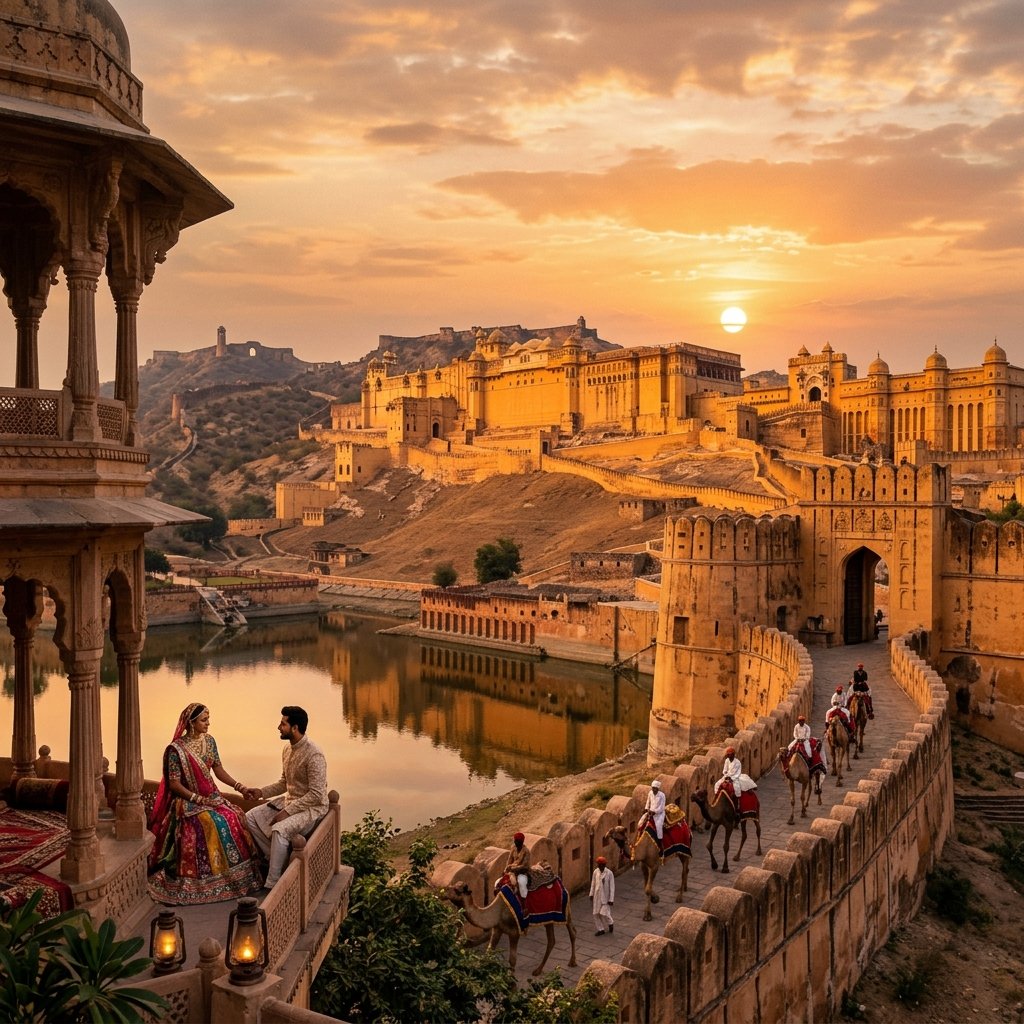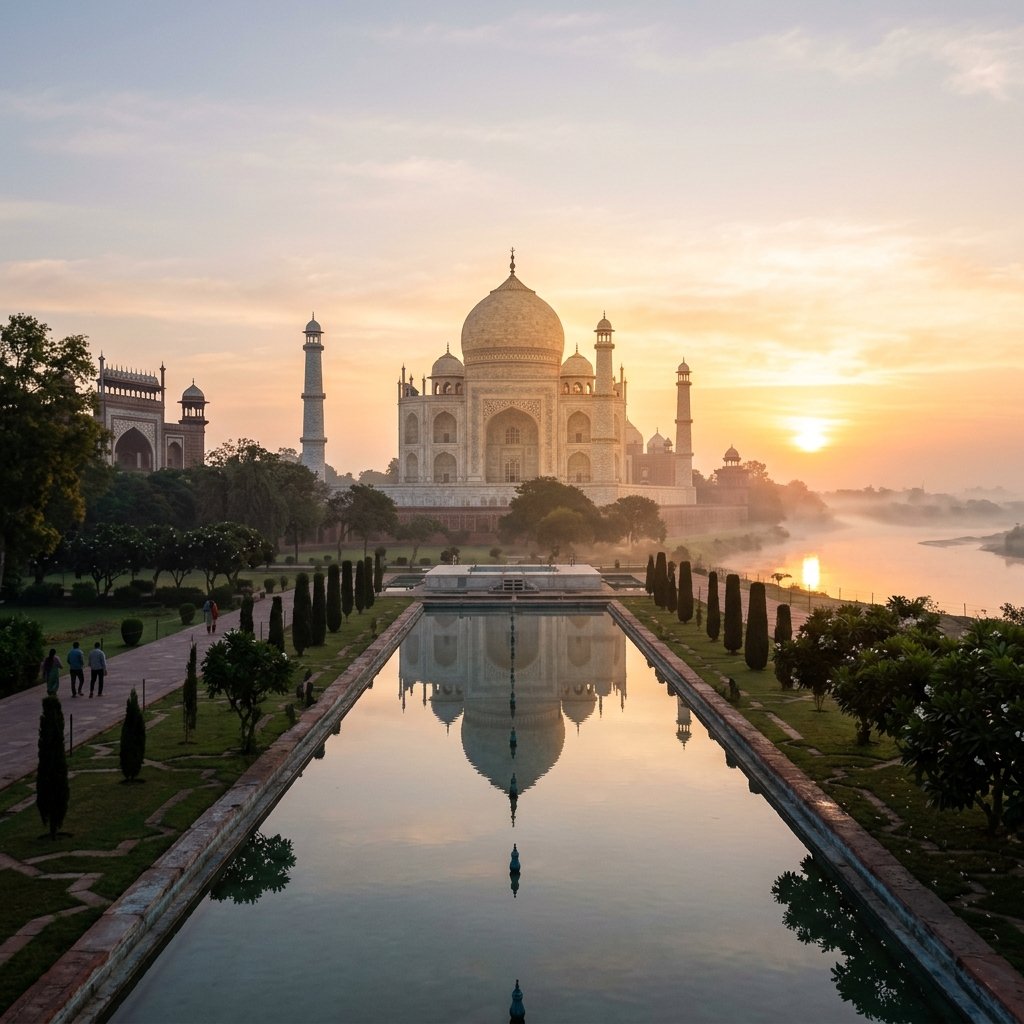
“Important considerations and safety tips for solo women travelers.”
Key Takeaways & Travel Highlights
Introduction
Travelling solo as a woman in India can be a rewarding way to experience the country's history, food, landscapes, spirituality and diverse cultures. At the same time, travelling alone requires thoughtful planning, particularly when choosing accommodation, transportation and activities.
India has dedicated tourist-police arrangements in several states, and the Ministry of Tourism operates a 24-hour multilingual tourist helpline. The important thing is to combine these available support systems with sensible personal safety habits and good planning.
This guide focuses on practical precautions that can help solo female travellers feel more prepared and confident while exploring India.
Key Insights
India is extremely diverse, and conditions can vary considerably between cities, rural areas, mountains and coastal destinations.
Having a basic understanding of your destination makes it easier to make confident decisions while travelling.
Your hotel or guesthouse is an important part of solo travel safety.
Avoid choosing accommodation solely because it is the cheapest option. Location and reliability can be more important than saving a small amount.
Share your itinerary with someone you trust. Give them your hotel details, major transportation plans and approximate daily schedule. For longer journeys, send updates when you arrive at a new destination. Keeping someone informed creates an additional layer of support if your plans change unexpectedly.
For airport transfers and longer journeys, use transportation arranged through your hotel, reputable taxi services, recognised ride-hailing platforms or official transport providers.
Check the vehicle and driver details. Match the registration number before entering. Share your trip status when possible. Keep your phone accessible. Avoid accepting unsolicited rides from strangers. India's 112 emergency system can also be used for police, medical, fire and other emergencies.
You do not need to avoid evenings altogether, but be selective about where and how you travel.
Avoid isolated areas and unfamiliar neighbourhoods late at night.
India has different cultural expectations across regions. When visiting temples, religious sites and smaller towns, modest clothing is generally a respectful choice. A lightweight scarf or shawl can be useful when visiting religious places or when additional coverage is appropriate.
If a situation feels uncomfortable, you do not need to remain polite or continue the interaction.
Move towards a busy public place. Enter a hotel, shop or restaurant. Contact someone you trust. Ask staff or security personnel for assistance. Call emergency services if you feel threatened. Official travel guidance also recommends having a safety plan and knowing where nearby police stations and hospitals are located.
Be particularly careful when posting real-time location updates publicly on social media.
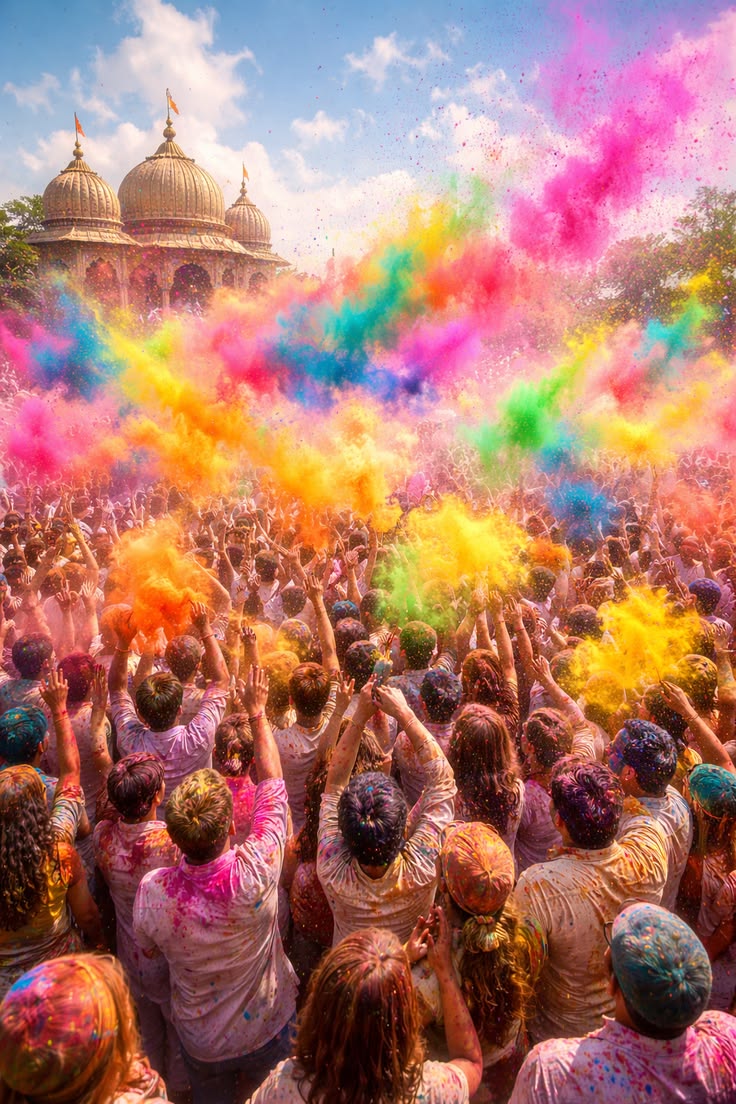
Markets, railway stations, festivals and major tourist attractions can become extremely crowded.
Avoid displaying large amounts of cash or expensive jewellery unnecessarily.
India's official Incredible India portal lists 112 as the national emergency number and 1363 as the tourist helpline. The Ministry of Tourism also provides the multilingual tourist helpline at 1800111363 / 1363, available 24/7. The 112 emergency system can connect people to emergency services including police, fire and health services. If you are travelling internationally, also save your country's embassy or consulate contact information before departure.
Save accommodation confirmations offline. Keep digital and physical copies of important documents. Share your itinerary with a trusted person. Save emergency contacts. Check transportation options in advance. Research local customs and weather.
Keep your phone charged. Carry a portable power bank. Use reliable transportation. Stay aware of your surroundings. Keep valuables secure. Trust your instincts. Avoid isolated locations when alone.
Check the room's door lock. Know how to contact reception. Avoid sharing your room number publicly. Confirm the identity of unexpected visitors before opening the door. Ask reception for reliable transportation recommendations.
Travel Tips
- ✓ Start with destinations that have established tourism infrastructure if this is your first solo trip to India.
- ✓ Prefer well-reviewed hotels in convenient locations.
- ✓ Keep your first few days relatively flexible rather than planning every hour.
- ✓ Save offline maps and important addresses.
- ✓ Keep some emergency cash separate from your wallet.
- ✓ Learn a few useful local phrases such as Namaste, Thank you, and Help.
- ✓ When travelling by train or bus, keep important belongings with you.
- ✓ Avoid accepting food, drinks or rides from strangers if you feel uncomfortable.
- ✓ If someone makes you uncomfortable, move towards other people and seek assistance.
- ✓ Remember that being cautious is not the same as being fearful—good preparation allows you to enjoy the journey with greater confidence.
Anita Sharma
Senior Travel Specialist & StorytellerTravel writer and India specialist with over 8 years of experience crafting luxury travel narratives for discerning global travelers.