“Compare the landscapes, food, and culture of the two regions.”
Key Takeaways & Travel Highlights
Introduction
India is not one single travel experience. The North and South offer remarkably different landscapes, cuisines, architecture, traditions and rhythms of daily life. While North India is often associated with Mughal and Rajput heritage, Himalayan scenery, royal cities and iconic monuments, South India is known for its ancient temples, tropical landscapes, beaches, coffee plantations and distinctive Dravidian architecture.
Choosing between North and South India depends largely on what you want from your trip. For history and monumental architecture, the North can be an excellent choice. For temples, tropical scenery, coastal experiences and slower journeys, the South offers a very different perspective.
For travellers with enough time, combining both regions can provide a much broader understanding of India's cultural and geographical diversity.
Key Insights
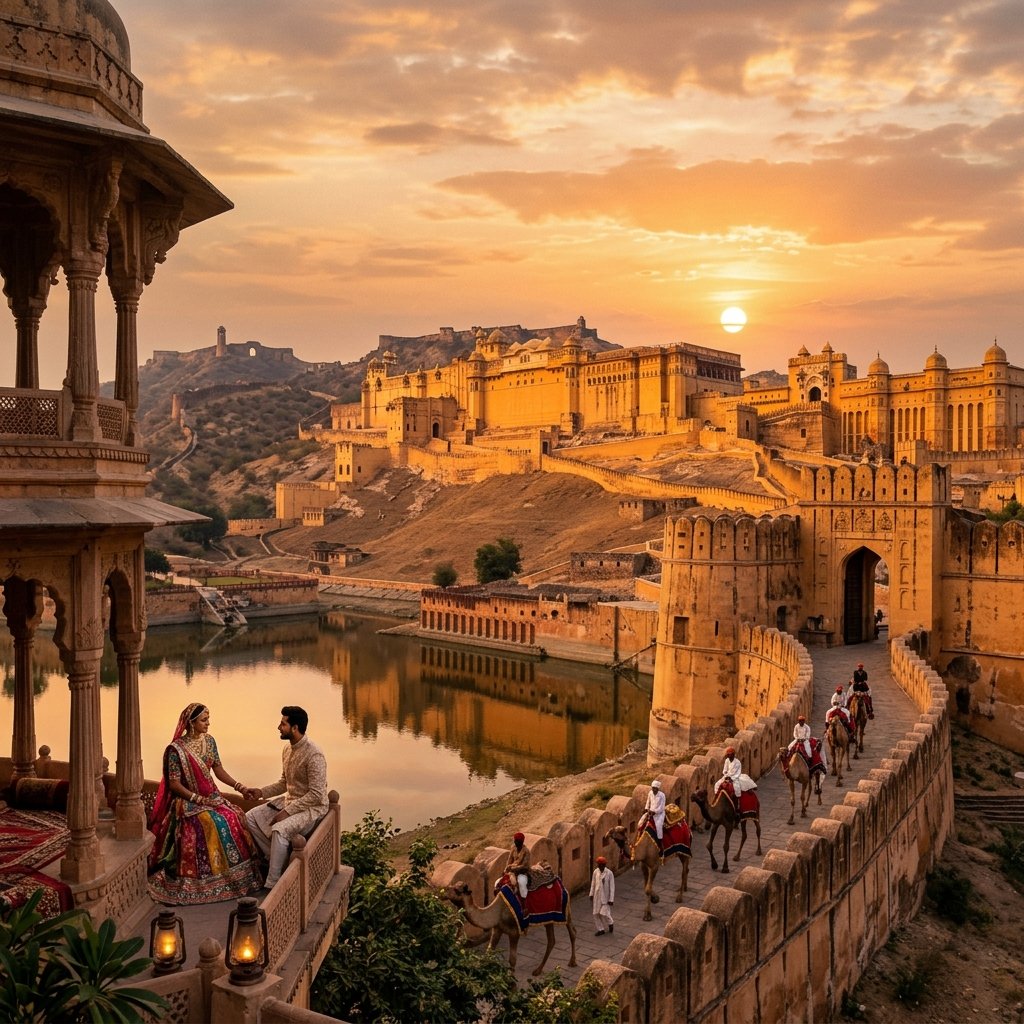
The North offers an extraordinary range of landscapes, from the Himalayan mountains and Kashmir valleys to Rajasthan's deserts, the Gangetic plains and historic cities.
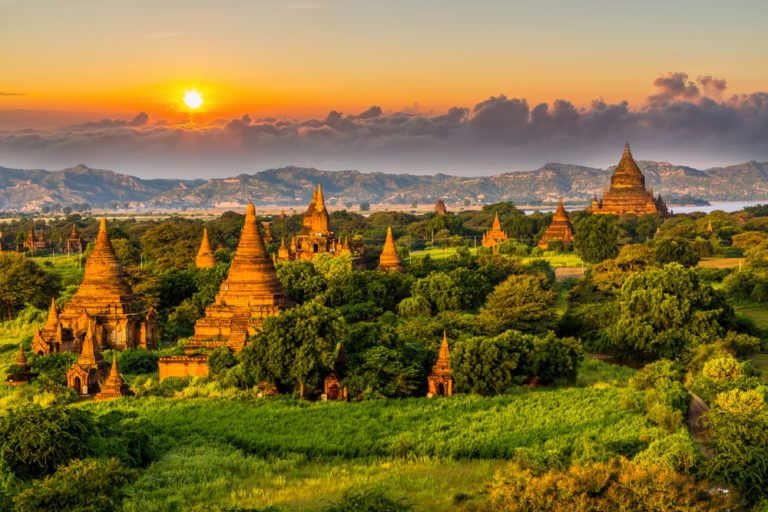
The South is characterised by tropical coastlines, lush hills, tea and coffee plantations, backwaters, forests and waterfalls.
South: Beaches, backwaters, plantations and tropical scenery
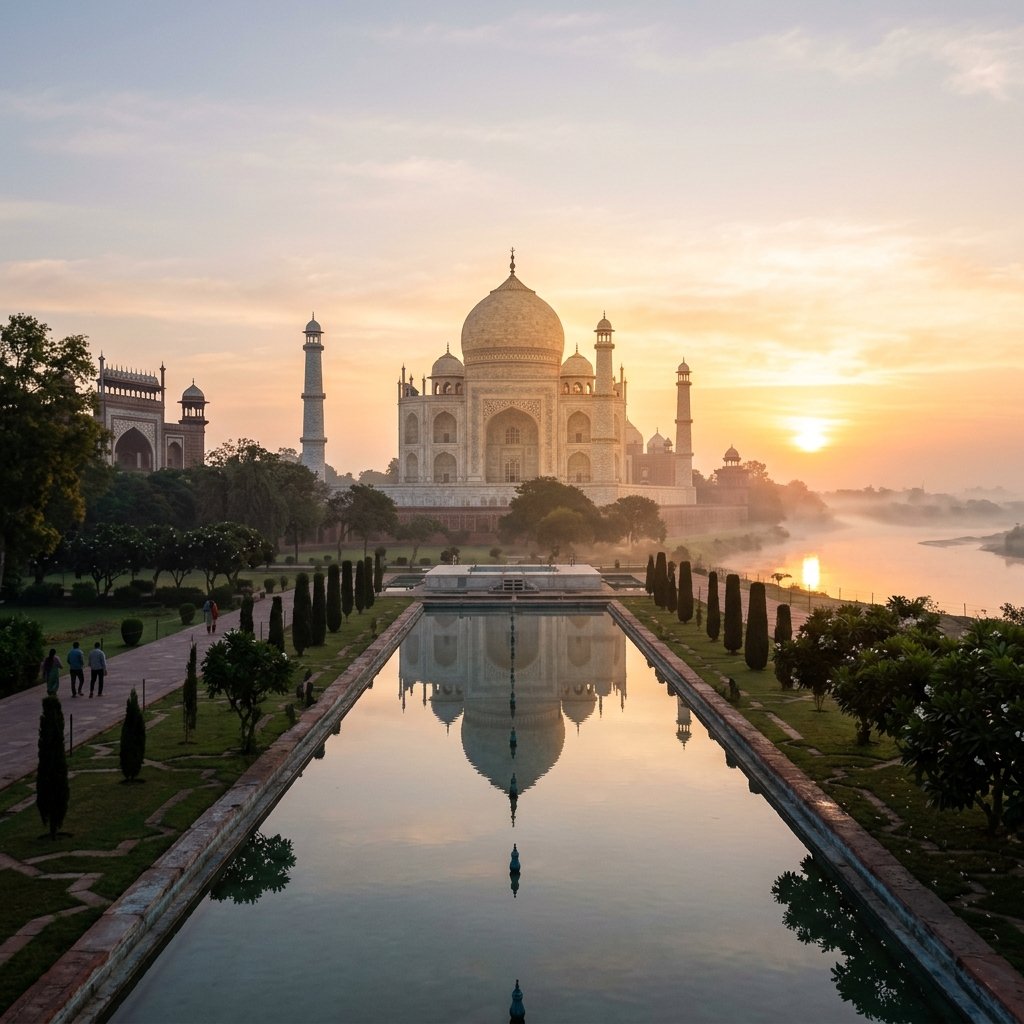
North India's architecture reflects centuries of Rajput, Mughal, Sultanate and colonial influences. The region is home to iconic landmarks such as the Taj Mahal, Agra Fort, Amber Fort, City Palace and numerous historic forts.
South India is particularly famous for its Dravidian temple architecture. Massive temple complexes, colourful gopurams, stone carvings and ancient sacred cities form a major part of the region's heritage.
North Indian cuisine is known for dishes such as butter chicken, kebabs, biryani, parathas, chole bhature, dal makhani and rich Mughlai and Punjabi flavours.
South Indian cuisine features dosa, idli, vada, sambar, rasam, appam, seafood and regional rice dishes. Coconut, curry leaves, tamarind and spices are widely used.
South: Dosas, rice-based dishes, seafood and lighter regional meals
The North includes important spiritual destinations such as Varanasi, Ayodhya, Haridwar, Rishikesh, Amritsar and Mathura-Vrindavan.
The South is home to some of India's most important temple cities, including Madurai, Thanjavur, Tirupati, Rameswaram and Kanchipuram.
North: Ganga ghats, pilgrimage cities, Sikh heritage and Himalayan spirituality South: Ancient temples, temple rituals and Dravidian religious traditions
The North is largely inland, so beach experiences are limited. Travellers looking for coastal scenery generally need to travel towards western or southern India.
The South offers extensive coastlines along the Arabian Sea, Bay of Bengal and Indian Ocean, with destinations such as Kerala, Goa, Tamil Nadu and Karnataka offering beaches and coastal culture.
South India is the clear choice for beaches and tropical coastal experiences.
The region offers Himalayan valleys, forests, rivers, lakes and mountain destinations such as Himachal Pradesh, Uttarakhand and Kashmir.
The South offers Kerala's backwaters, Munnar's tea plantations, Ooty's hills, Coorg's coffee estates and the Western Ghats.
North Indian culture includes strong Rajput, Mughal, Punjabi, Awadhi and Himalayan influences. Major celebrations include Diwali, Holi, Dussehra and numerous regional festivals.
South India has distinct Tamil, Telugu, Kannada and Malayalam cultural traditions. Festivals such as Pongal, Onam, Ugadi and Mysuru Dasara showcase the region's rich cultural identity. Both regions offer colourful festivals, traditional music, dance, crafts and local celebrations.
A North India trip can be fast-paced, especially when covering Delhi, Agra, Jaipur, Varanasi and other major destinations. It works well for travellers interested in iconic landmarks and concentrated heritage sightseeing.
South India often suits slower itineraries, particularly when combining Kerala, Tamil Nadu, Karnataka or Goa. Travellers can spend more time experiencing nature, temples, food and local communities.
North India experiences greater seasonal variation. Winters can be cold in the Himalayan region and pleasantly cool in many plains and heritage cities, while summers can be extremely hot.
The South generally has a warmer tropical climate, although hill stations such as Ooty, Munnar and Coorg are considerably cooler. North India: Generally October to March for many destinations South India: Generally October to March, with destination-specific variations 10. Which Region Should You Choose?
Travel Tips
- ✓ Choose the region according to the experiences you value most rather than trying to cover everything in one short trip.
- ✓ Consider spending at least a week in one region for a more relaxed experience.
- ✓ Research seasonal weather before finalising your itinerary.
- ✓ Leave additional time for road journeys, especially in mountainous or rural areas.
- ✓ Try regional food instead of limiting yourself to familiar dishes.
- ✓ Dress respectfully when visiting temples, mosques, monasteries and other religious sites.
- ✓ Use local guides for major heritage and religious attractions when you want deeper historical context.
- ✓ Consider domestic flights for long distances between regions.
- ✓ For a first trip to India, the Golden Triangle is a convenient introduction to North India, while Kerala and Tamil Nadu offer excellent introductions to the South.
- ✓ If you have two or more weeks, consider combining selected destinations from both regions rather than rushing through many cities.
Elena Rodriguez
Senior Travel Specialist & StorytellerTravel writer and India specialist with over 8 years of experience crafting luxury travel narratives for discerning global travelers.