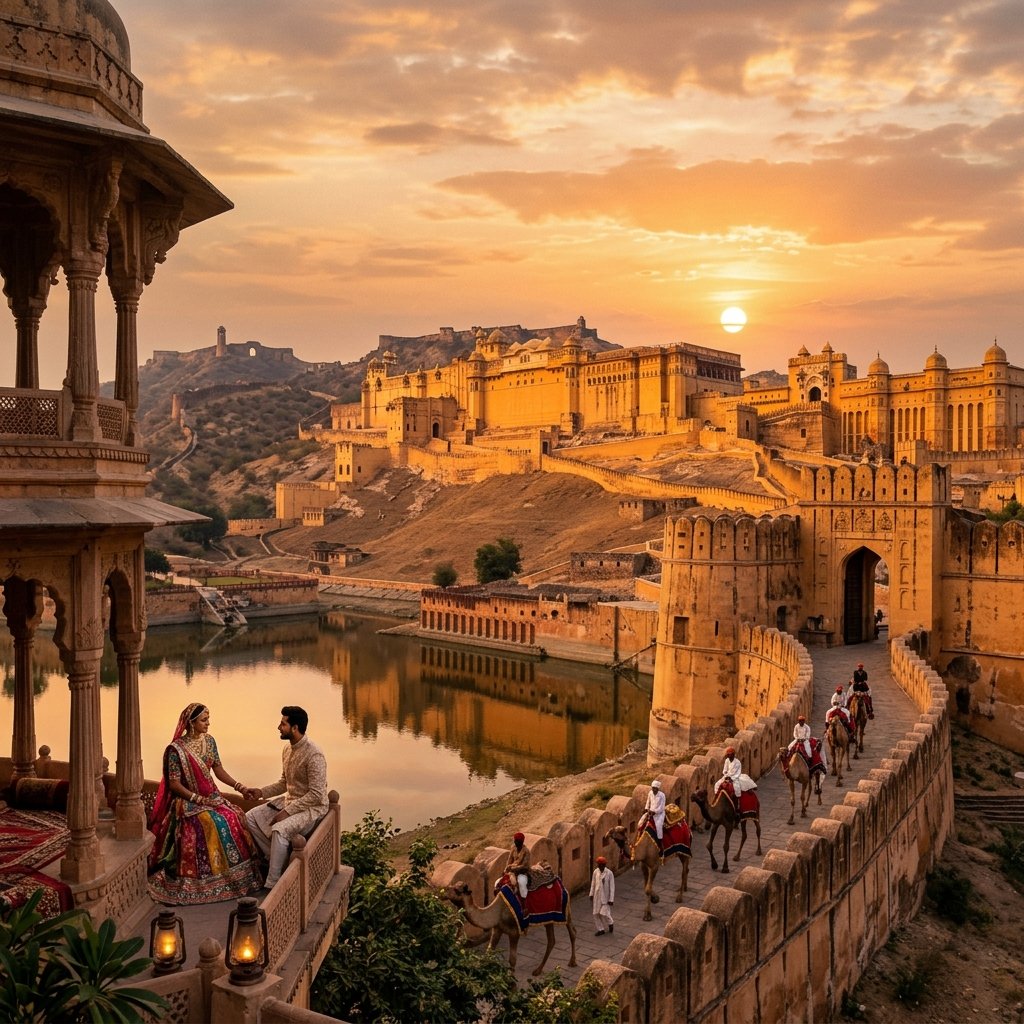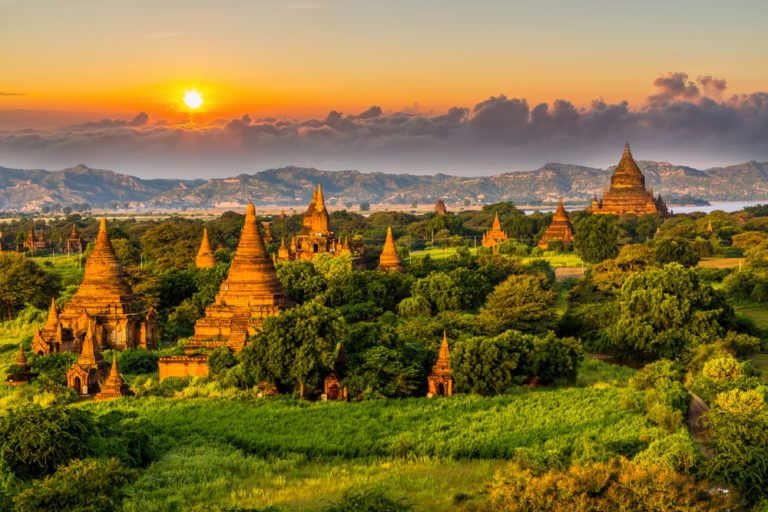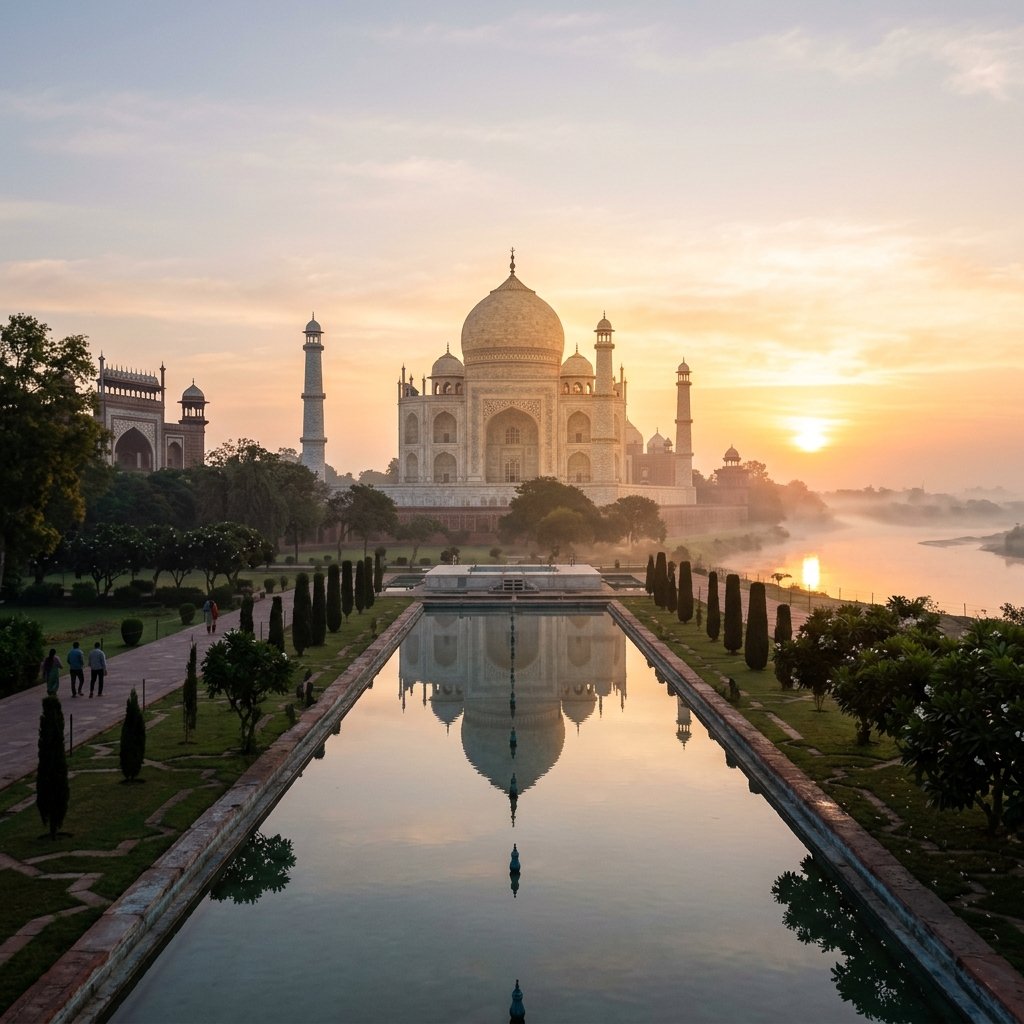
“A guide to local etiquette, dress codes, and greetings.”
Key Takeaways & Travel Highlights
Introduction
India is a country of extraordinary cultural diversity, shaped by thousands of years of history, numerous religions, regional traditions and different languages. From colourful festivals and traditional clothing to food, music, dance and religious customs, Indian culture varies significantly from one region to another.
For travellers, understanding a few basic cultural practices can make interactions more respectful and meaningful. Indian culture places strong importance on hospitality, family, respect for elders, spirituality and community.
The best way to experience Indian culture is to remain curious, respectful and open to regional differences.
Key Insights
Hospitality is deeply valued across India. Visitors are often welcomed warmly and may be offered food, tea or other refreshments. The traditional expression “Atithi Devo Bhava” translates approximately as “The guest is like God”, reflecting the importance traditionally given to welcoming guests. As a traveller, accepting hospitality graciously and showing appreciation is generally considered polite.
India is home to followers of several major religions, including Hinduism, Islam, Christianity, Sikhism, Buddhism and Jainism. Religious practices and customs differ considerably between regions and communities.
When visiting religious places, observe local rules and follow the instructions of staff or devotees.
Religious sites are active places of worship, not simply tourist attractions.
Rules vary from one place to another, so always check local instructions.
Namaste is one of India's best-known traditional greetings. It is commonly accompanied by bringing the palms together in front of the chest. A handshake is also common in many professional and urban settings, but greetings vary according to region, situation and personal preference. A respectful smile and polite greeting are usually appreciated.
There is no single “Indian cuisine.” Food changes dramatically across the country.
Travellers can discover dishes based on rice, fish, vegetables, fermented ingredients and regional spices. Trying regional food is one of the easiest ways to understand India's cultural diversity.
India has different expectations regarding clothing depending on the location. In major cities and tourist areas, dress tends to be more flexible. However, when visiting temples, religious places, rural communities or traditional neighbourhoods, modest clothing is generally a respectful choice.
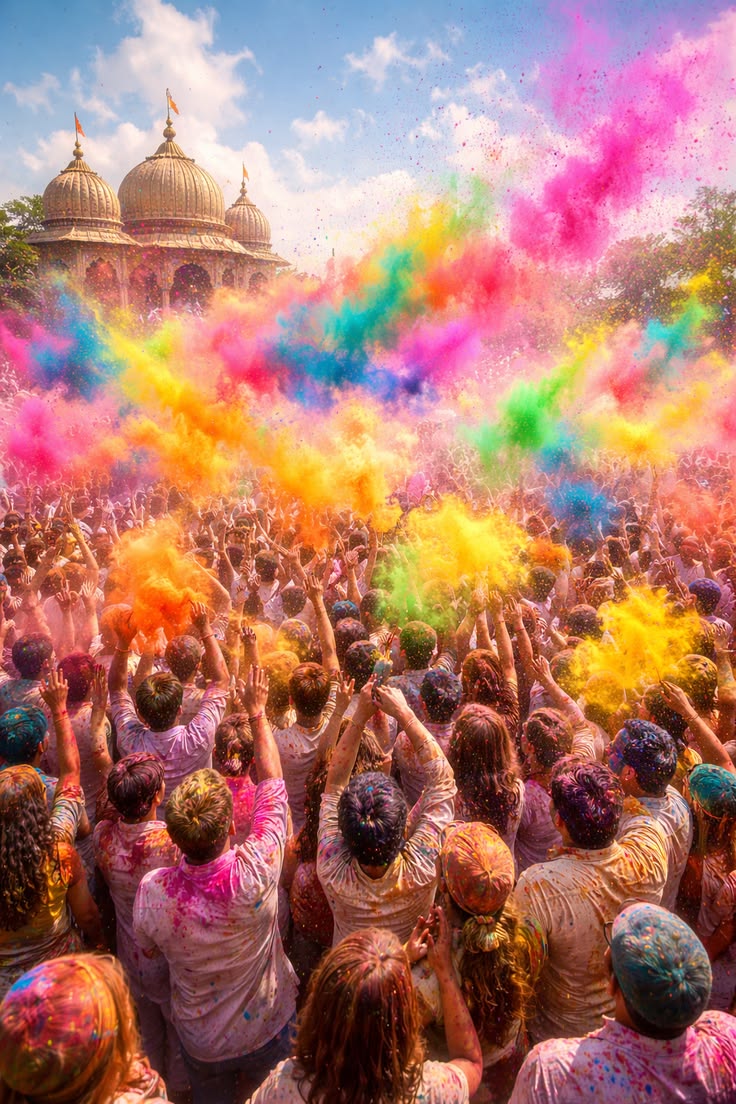
Festivals are an important part of Indian life and provide travellers with an opportunity to experience music, food, rituals and community celebrations.
Navratri: Major festival particularly prominent in several western and northern regions
Festival traditions can vary significantly between regions.
Family plays an important role in Indian society. Respect for parents, grandparents and elders is traditionally emphasised. In many communities, family gatherings, weddings and religious ceremonies involve extended families. Travellers may notice that social interactions can sometimes feel more community-oriented than in highly individualistic cultures.
Indian weddings are often large cultural celebrations rather than single-day ceremonies. Depending on the community and region, celebrations may include:
Wedding customs vary greatly between religions, communities and regions.
India has a rich tradition of classical and folk performing arts.
Traditional music includes classical traditions such as Hindustani and Carnatic music, alongside countless regional folk traditions. India's handicrafts are equally diverse, including textiles, pottery, paintings, jewellery, woodwork and metal crafts.
Greet people politely. Dress respectfully at religious sites. Remove shoes when required. Ask permission before photographing people. Respect religious ceremonies. Try local food with an open mind. Learn a few basic local words. Follow local rules at monuments and cultural sites.
Touching religious objects without permission. Entering restricted areas. Making jokes about religious beliefs. Photographing people without consent. Disrespecting local customs. Assuming that customs are identical throughout India.
Known for royal heritage, colourful textiles, folk music, traditional crafts and desert culture.
Known for Ayurveda, temple traditions, classical arts, Onam celebrations and distinctive cuisine.
Renowned for Dravidian temples, Bharatanatyam, Tamil traditions and Pongal.
Known for Sikh heritage, energetic Bhangra traditions, hospitality and rich Punjabi cuisine.
Known for literature, art, Durga Puja, Bengali cuisine and classical and folk traditions.
The region contains numerous distinct communities, languages, cuisines and indigenous traditions.
Travel Tips
- ✓ Learn basic cultural etiquette before your trip.
- ✓ Dress modestly when visiting religious places.
- ✓ Always ask before photographing people.
- ✓ Remove footwear where required.
- ✓ Use your right hand when offering or receiving food or objects in situations where local etiquette calls for it.
- ✓ Avoid making assumptions about Indian culture based on one city or region.
- ✓ Try regional food rather than only familiar international dishes.
- ✓ Participate respectfully in festivals and cultural experiences.
- ✓ Learn simple greetings such as Namaste and Dhanyavaad.
- ✓ Be curious and respectful—the diversity of Indian culture is one of the country's greatest travel experiences.
Rajesh Kumar
Senior Travel Specialist & StorytellerTravel writer and India specialist with over 8 years of experience crafting luxury travel narratives for discerning global travelers.