
Kerala, India
Kottayam
Explore the historical wonders, local food, and cultural highlights of Kottayam.
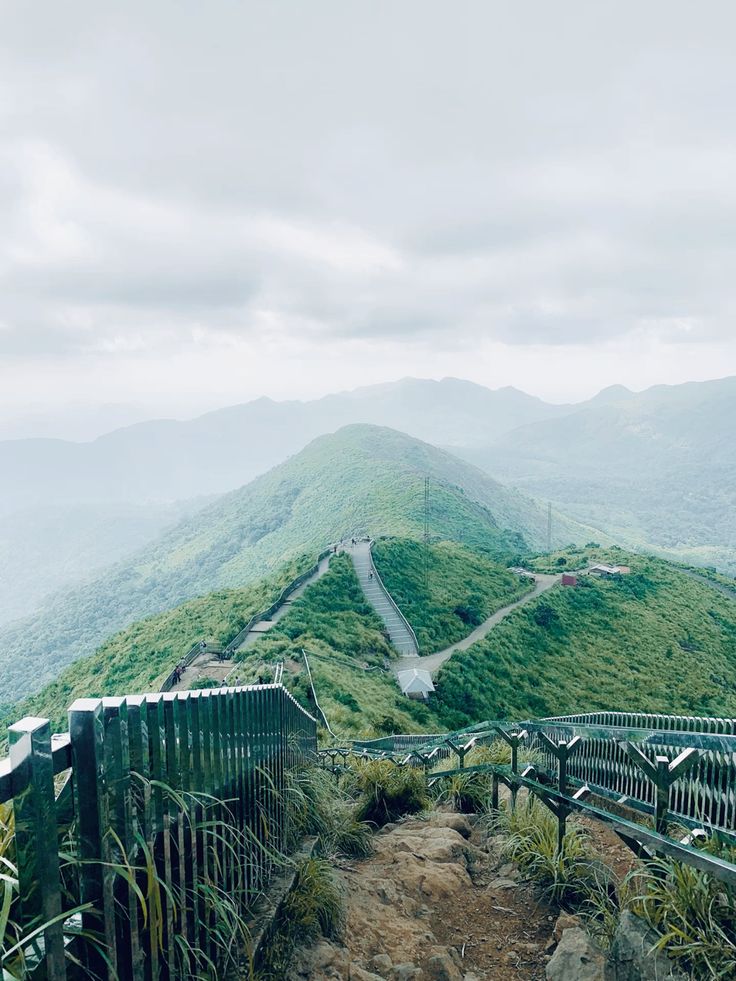
Travel to Kottayam: History of Kottayam
Kottayam literally means the interior of a fort: Kotta + Akam. The rulers of Munjanad and Thekkumkur had their headquarters at Thazhathangadi, in present-day Kottayam city. Marthanda Varma of Travancore attacked Thekkumkur and destroyed the Thaliyil palace and fort. The remains of the palaces and forts can still be seen here.
The present Kottayam district was formerly part of the erstwhile princely state of Travancore. Earlier, the state of Travancore consisted of two revenue divisions, namely the Southern and Northern divisions, each under the administrative control of a Diwan Peshkar. Later, in 1868, two more divisions, Quilon (Kollam) and Kottayam, were formed. The fifth division, Devikulam, was created later, but existed only for a short period before eventually being added to Kottayam.
At the time of the integration of Travancore and Cochin (Kochi) in 1949, these revenue divisions were renamed districts, and the Diwan Peshkars were replaced by District Collectors, paving the way for the formation of Kottayam District in July 1949.
Kottayam played an important role in all the major political movements of modern times. The Malayali Memorial movement can be said to have originated in Kottayam. The Malayali Memorial sought better representation for educated Travancoreans in the Travancore public administration against people from outside the region.
The Memorial, which was presented to Maharaja Sri Moolam Thirunal in 1891, was drafted at a public meeting held at the Kottayam Public Library. This event marked the beginning of the modern political movement in the state.
It was also here that the famous Vaikom Satyagraha (1924-1925), a historic struggle for the eradication of untouchability, took place. The lower castes and other disadvantaged communities in Travancore were denied not only entry into temples but also access to the roads leading to the temples.
Vaikom, the seat of a famous Shiva temple, became the centre of this symbolic Satyagraha. It is historically significant that national leaders such as Mahatma Gandhi, C. Rajagopalachari, Acharya Vinoba Bhave and E. V. Ramaswami Naicker were associated with this struggle.
The Nivarthana agitation of the early 1930s, which sought adequate representation for non-caste Hindus, Christians and Muslims in the State Legislature, received considerable support from this district.
The district was also a centre of the agitation led by the State Congress for responsible government in Travancore. The agitation ended successfully with the removal of Sir C. P. Ramaswami Iyer, the then Dewan of Travancore.
How to Reach Kottayam
By Air
The nearest international airport is located in Cochin, approximately 80 kilometres away.
By Train
Kottayam railway station is only about 2 kilometres from the bus station. Regular trains from major cities in Kerala arrive at Kottayam.
By Road
Kottayam is well connected with the rest of Kerala and other parts of India through an extensive network of motorable roads.
Food
King fish, frozen and exported by a company based in Alleppey, Kerala, is available here in Toronto. It is easy to clean and cut into small pieces. Make sure to remove all the skin and wash the fish thoroughly. If Kerala King fish is not available, the North American equivalent, fresh or frozen, or a substitute such as grouper, mahi-mahi or even salmon can be used.
Remember that the cooking procedure can be divided into two stages. The first stage is preparing the sauce, while the second stage involves cooking the pieces of fish in the sauce.
To prepare the sauce, use a pan and heat approximately one-quarter cup of coconut oil or vegetable oil until it is hot enough to crackle a few mustard seeds. Add chopped onions, a few curry leaves and slit green chillies and sauté.
Next, add a mixture of turmeric, chilli powder and paprika powder dissolved in half a cup of water. Cook until the oil begins to separate. Add the remaining previously ground spices, half a cup of puli water and enough additional water to make sufficient sauce to cover all the fish pieces during cooking. Add salt as required. Cook until the sauce becomes thick and set it aside.
For the second stage and the actual cooking, use a fairly large pan. Prepare a bed of curry leaves and place the fish pieces on top. Pour the prepared sauce over the fish so that the pieces are completely covered. Add more curry leaves and additional pieces of puli, cover with a lid and simmer.
Do not stir. If necessary, lift the pan by its handle and gently rotate or rock it during cooking to distribute the sauce evenly. Stop cooking when the fish pieces are sufficiently cooked and the sauce has thickened.
This preparation tastes even better after resting for a day or two, allowing the spices to penetrate the fish. In the old days, people used chatties made from mannu to store the fish curry. The flavour improved as it remained in these traditional vessels.
Hotels in Kottayam
- Aymanam Village (Backwater Resort), Kottayam
- Hotel Arcadia, Kottayam
- Windsor Castle, Kottayam
- The Lake Village, Kottayam
- Puzhayoram Heritage Resort, Kottayam
- Privacy at Sanctuary Bay, Kottayam
Plan Your Trip
Get a bespoke itinerary in 24 hours.
Need Help? We Are Here To Help You
We Can Tailor-Make a Special Itinerary For You. Contact our specialists directly.