Agra
The Taj Mahal, Mughal Grandeur & Timeless Romance
About Destination Agra
Agra
Agra is famous for being home to the Taj Mahal, one of the seven wonders of the world. The city is also known for its magnificent Mughal architecture, marble and soapstone inlay work, carpets, gold - thread embroidery and leather products.
History of Agra
Agra was the capital of the Mughal Empire during the 16th and early 17th centuries. The city's political importance declined after Shah Jahan moved the capital to Delhi in 1634, but its architectural heritage continues to attract visitors from around the world.
Climate of Agra
Agra experiences a variable climate. Summers are very hot, while winters are comparatively cold. Summer temperatures can range from 25°C to 46°C, while winter temperatures may range from 22°C to 5°C. The climate becomes humid during the monsoon season.
During summer, travellers should wear light cotton clothing, use a hat or umbrella and drink plenty of fluids. Warm woollen clothing is recommended during winter.
How to Reach Agra
By Air
Agra has air connections with other cities in India, while Delhi is the nearest major metropolitan and international gateway.
By Train
There are numerous trains connecting Agra with Delhi, with the journey taking approximately three hours.
By Road
Agra is well connected by road and can be reached by buses, coaches and cars from major cities.
Food in Agra
Agra is famous for Mughlai cuisine, which reflects the culinary influence of the Mughal Empire. The cuisine is known for rich flavours, aromatic spices, meat dishes, creamy sauces and nuts.
- Tandoori Chicken
- Seekh Kebab
- Boti Kebab
- Tandoori Fish
- Mughlai Curries
Shopping in Agra
Agra is a popular shopping destination, especially for marble handicrafts, leather products, handicrafts and traditional textiles.
- Marble Taj Mahal replicas
- Leather sandals and bags
- Leather wallets and jackets
- Brass decorative items
- Stone - carved products
- Soft - stone inlay work
- Durries and carpets
- Zari embroidery
- Petha and Gazak sweets
- Dalmoth snack
Monuments in Agra
Taj Mahal
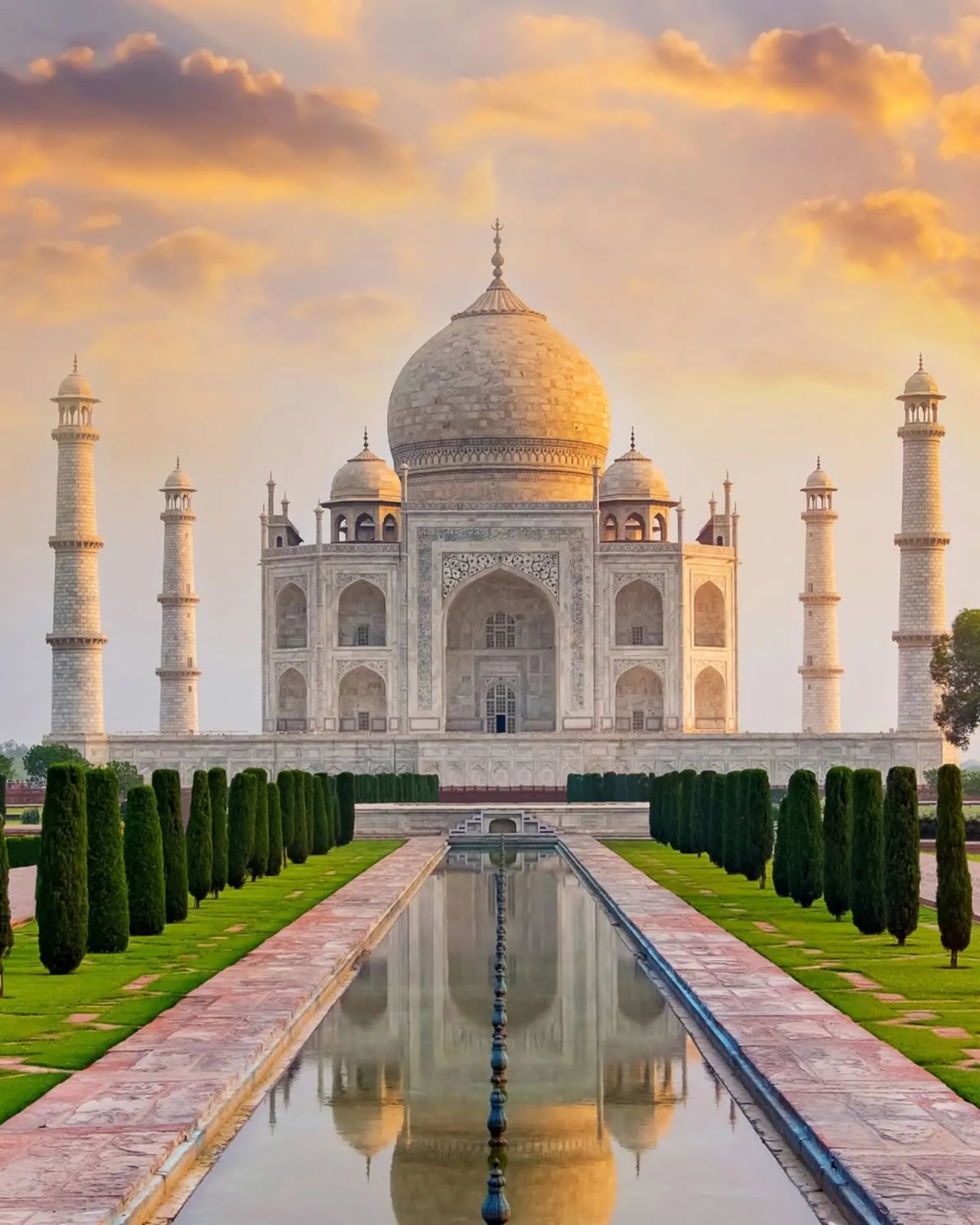
The Taj Mahal is one of India's most iconic monuments and a symbol of eternal love. Mughal Emperor Shah Jahan built the magnificent mausoleum in memory of his wife Mumtaz Mahal. Construction continued for around 22 years, and today the monument attracts visitors from across the world.
Agra Fort
Agra Fort stands on the banks of the Yamuna River. It was built between 1565 and 1574 by Mughal Emperor Akbar and was later expanded by Shah Jahan. The fort is surrounded by a massive red sandstone wall and contains important Mughal structures.
- Diwan - i - Am
- Diwan - i - Khas
- Khas Mahal
- Shish Mahal
- Nagina Masjid
- Mina Masjid
Fatehpur Sikri
Fatehpur Sikri is located approximately 40 km from Agra. Built by Emperor Akbar, the city is known for its magnificent red sandstone and marble architecture and represents a blend of Islamic and Hindu architectural traditions.
- Panch Mahal
- Buland Darwaza
- Tomb of Salim Chisti
- Jama Masjid
Hotels in Agra
- Hotel Amar Vilas, Agra
- Hotel Jaypee Palace, Agra
- Hotel Sheraton Mughal
- Hotel Taj View, Agra
- Hotel Agra Ashok
- Hotel Trident Hilton, Agra
- Hotel Clarks Shiraz, Agra
- Hotel Holiday Inn, Agra
- Hotel Mansingh Palace, Agra
- Howard Park Plaza, Agra
- Hotel Amar, Agra
- Hotel Deedar - e - Taj, Agra
- Hotel Amar Yatri Niwas, Agra
Top Attractions in Agra
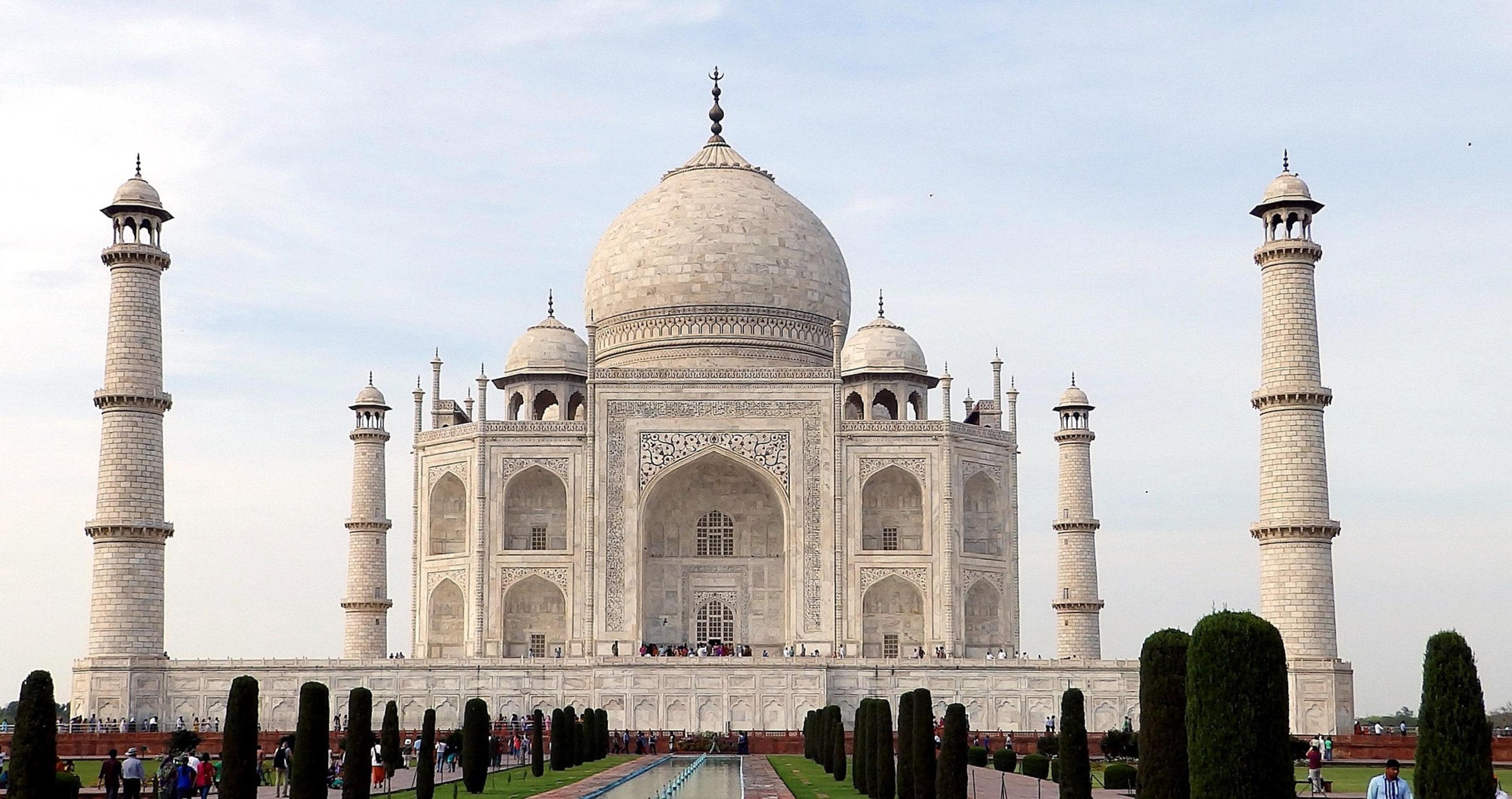
Taj Mahal
The Taj Mahal is Agra's most iconic monument and a UNESCO World Heritage Site. Built by Mughal Emperor Shah Jahan in memory of Mumtaz Mahal, this magnificent ivory - white marble mausoleum is celebrated for its symmetrical architecture, intricate marble inlay work, grand gardens and reflecting pools. Situated on the banks of the Yamuna River, it is one of India's most recognized historical landmarks and a major attraction for visitors from around the world.
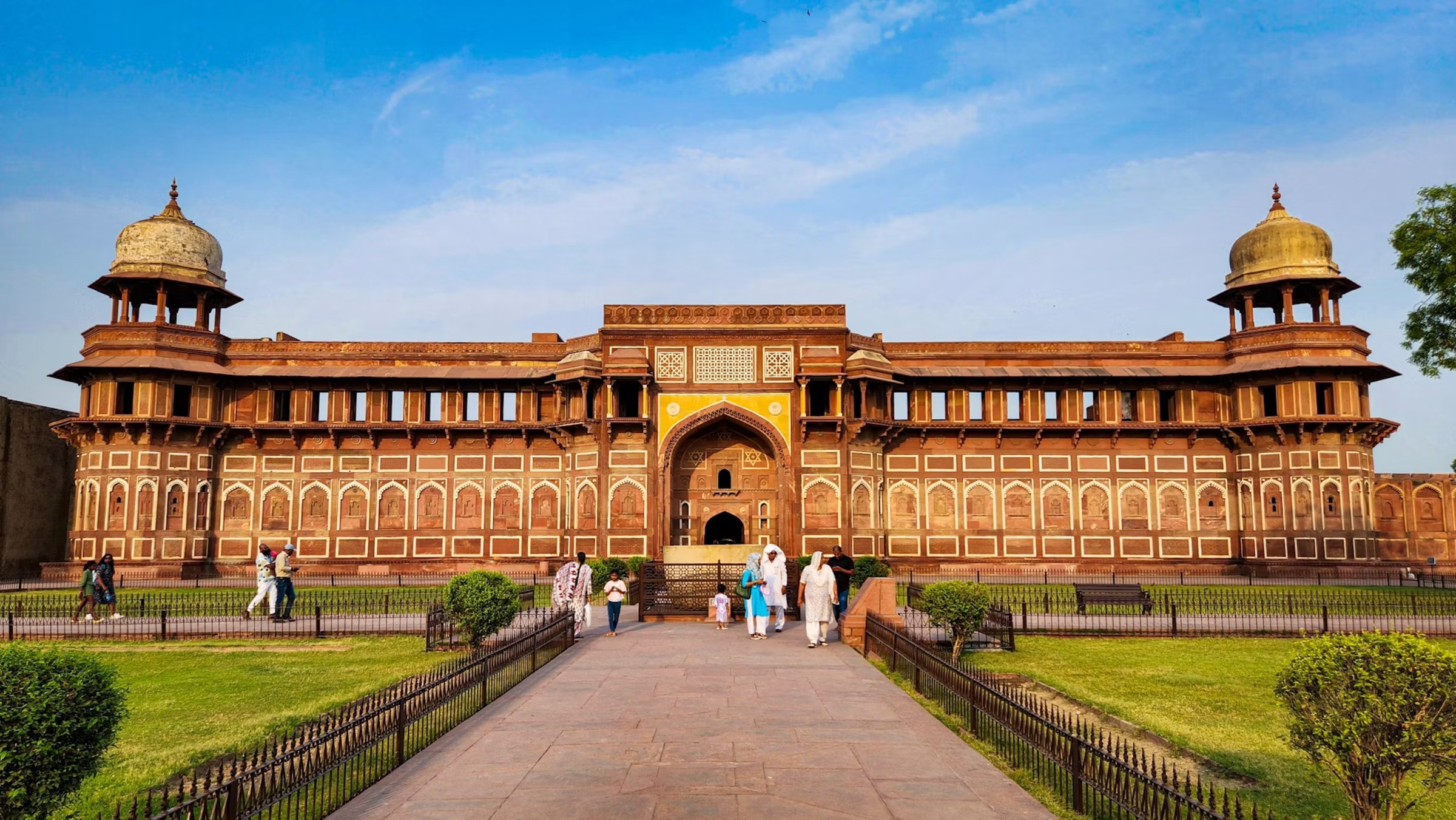
Agra Fort
Agra Fort is a magnificent UNESCO World Heritage Site and one of the finest examples of Mughal fort architecture. Originally developed in red sandstone under Emperor Akbar, the fort was later enhanced with elegant marble structures during Shah Jahan's reign. Its massive walls surround historic buildings such as Jahangir Mahal, Khas Mahal, Diwan - i - Aam, Diwan - i - Khas and Sheesh Mahal. The fort also offers beautiful views towards the Taj Mahal.
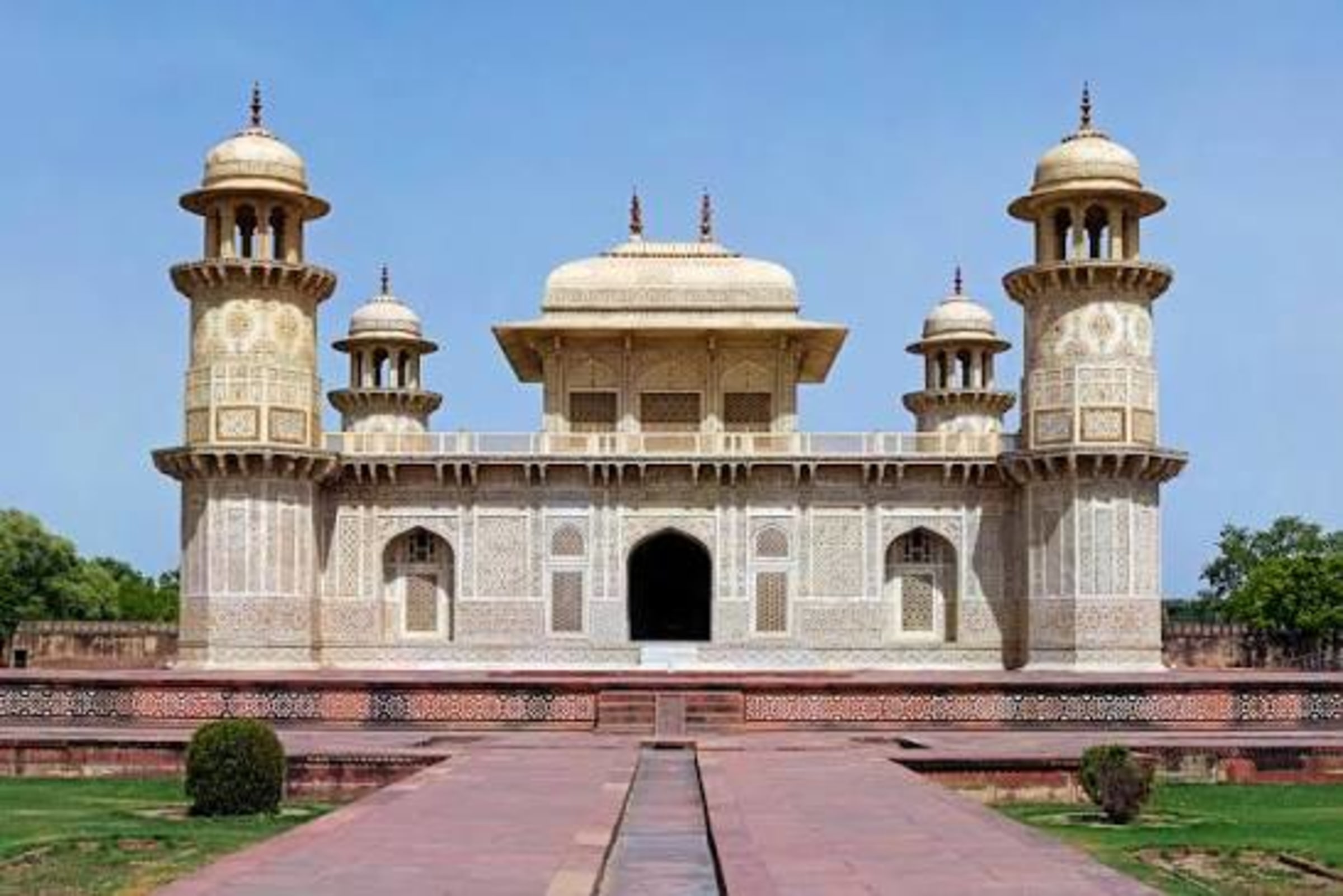
Tomb of Itimad - ud - Daulah / Baby Taj
The Tomb of Itimad - ud - Daulah is an elegant Mughal mausoleum located beside the Yamuna River and is popularly known as the “Baby Taj.” Built by Empress Nur Jahan for her father Mirza Ghiyas Beg between 1622 and 1628, it is notable for its white marble construction, delicate jali screens and detailed pietra dura inlay work. Its refined design makes it an important monument in the development of Mughal architecture.
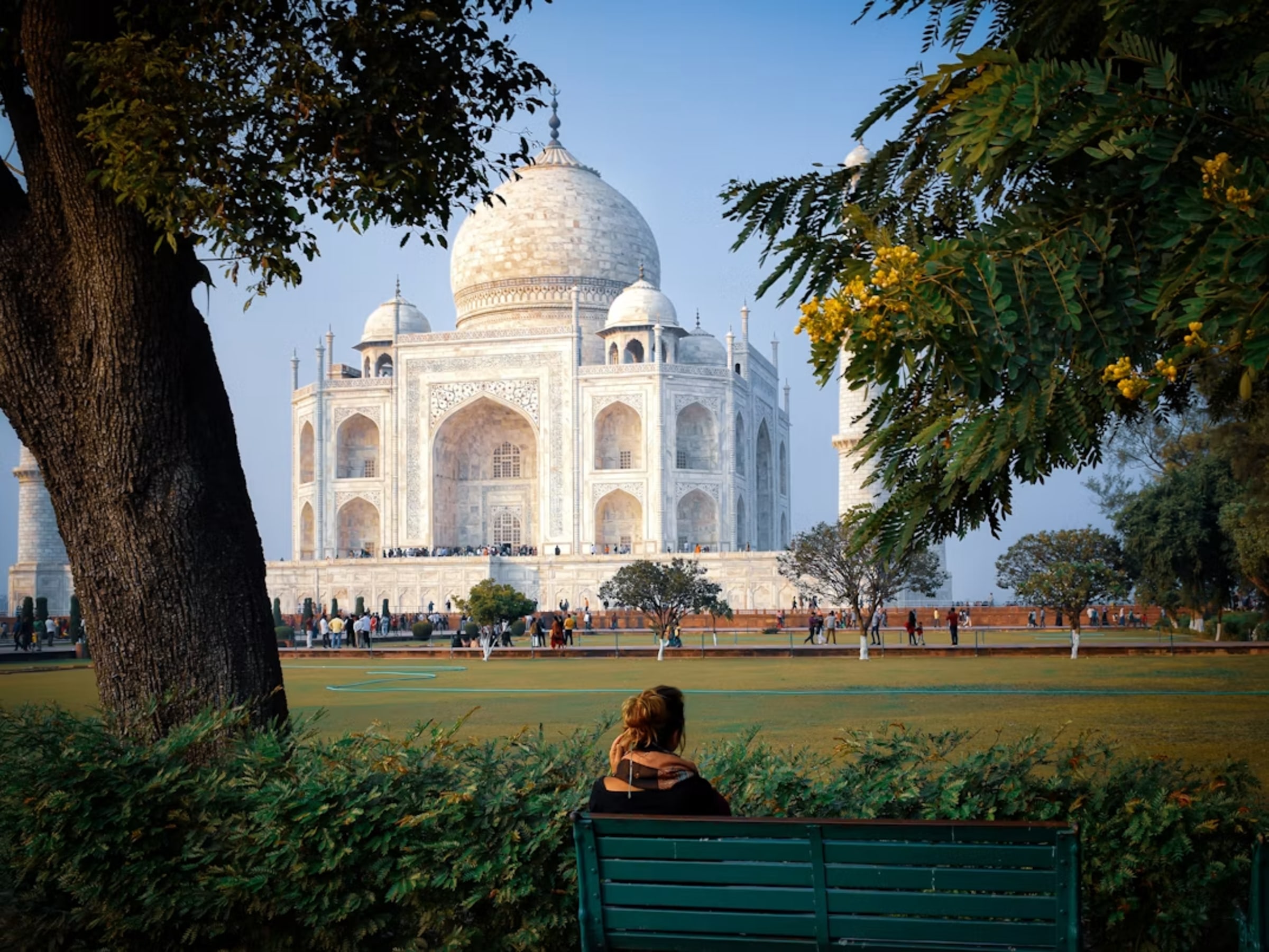
Mehtab Bagh
Mehtab Bagh is a historic Mughal garden situated on the opposite bank of the Yamuna River from the Taj Mahal. The garden is particularly known for its direct views of the Taj Mahal and provides a peaceful setting away from the main monument complex. Its landscaped pathways, greenery and riverside location make it a popular place for photography, especially around sunset.
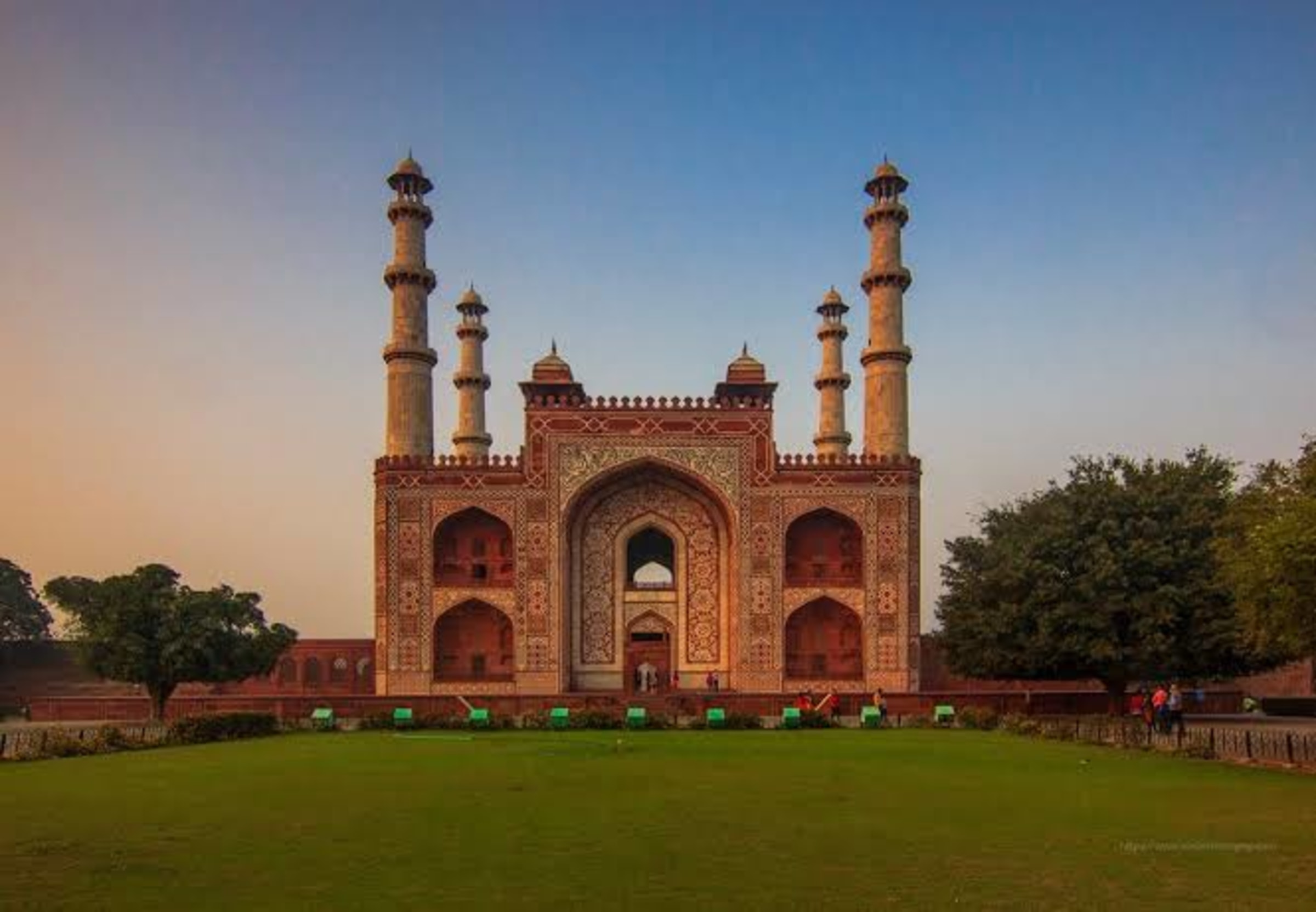
Akbar's Tomb, Sikandra
Akbar's Tomb at Sikandra is the magnificent mausoleum of Mughal Emperor Akbar. The monument combines red sandstone with decorative marble elements and is surrounded by a large charbagh - style garden. Construction was started by Akbar himself and completed by his son Jahangir. The complex is known for its monumental gateway, geometric design, intricate decoration and peaceful gardens, making it an important stop for exploring Agra's Mughal heritage.
Plan Your Trip
Get a bespoke itinerary in 24 hours.
Need Help Planning Your Trip?
We specialize in tailor-made luxury itineraries tailored specifically to your budget and interests.