Lucknow
Nawabi Elegance, Architectural Heritage & Legendary Cuisine
About Destination Lucknow
Travel to Lucknow: History, Culture, Monuments and How to Reach
History of Lucknow
Although archaeological findings indicate that the region has a very ancient past, the history of Lucknow in its present form began in the 18th century. The city was part of the kingdom of Awadh, founded by Saadat Khan Burhan - ul - Mulk, a Persian - origin courtier serving the Mughals.
Under the patronage of the rulers of Awadh, Lucknow developed into an important centre of culture, art, music and literature. Artists, poets and intellectuals arrived from Persia and other regions, contributing to the development of a unique cultural identity.
In 1775, Nawab Asaf - ud - Daulah shifted the capital of Awadh from Faizabad to Lucknow. During the following decades, the city flourished and became home to magnificent palaces, gardens, monuments and buildings of great architectural value.
Lucknow and the Revolt of 1857
In the mid - 1850s, Wajid Ali Shah, the last Nawab of Awadh, was deposed by the British. The annexation of Awadh created strong resentment among the local population.
During the Revolt of 1857, the British garrison in Lucknow came under siege. Around 3,000 people sought refuge in the Residency under the command of Sir Henry Lawrence. The siege lasted approximately 87 days and resulted in significant loss of life and severe damage to the buildings.
The siege ended on 17 November 1857 with the arrival of troops led by Sir Colin Campbell, after which British control was restored.
How to Reach Lucknow
By Air
Lucknow is well connected by air with major cities across India. Lucknow Airport is located at Amausi, approximately 15 km from the city centre.
By Train
Lucknow has important railway stations, including Charbagh and Lucknow Junction. The city has an extensive railway network connecting it with numerous major destinations across the country.
By Road
Lucknow is well connected by road to major cities of Uttar Pradesh and neighbouring regions through an extensive network of highways, roads and transport services.
Fairs and Festivals of Lucknow
Muharram Festival
Lucknow is one of the major centres of Muslim culture in Uttar Pradesh and observes Muharram with great solemnity and tradition.
Muharram is the first month of the Islamic calendar and is considered a sacred period. The observance commemorates the martyrdom of Hussain, the grandson of Prophet Muhammad, at Karbala.
During this period, people participate in prayers, charitable activities and religious gatherings. One of the most important traditions is the procession of Taziyas, decorated replicas representing the tomb of Hussain, which are carried by followers during the processions.
Monuments of Lucknow
Bara Imambara
The Bara Imambara was built by Asaf - ud - Daulah in 1784 and is one of the most iconic monuments of Lucknow. Its enormous vaulted hall and intricate interior passages, popularly known as the Bhool Bhulaiya, make it one of the city's major attractions.
The terrace also offers excellent views of Lucknow.
Rumi Darwaza
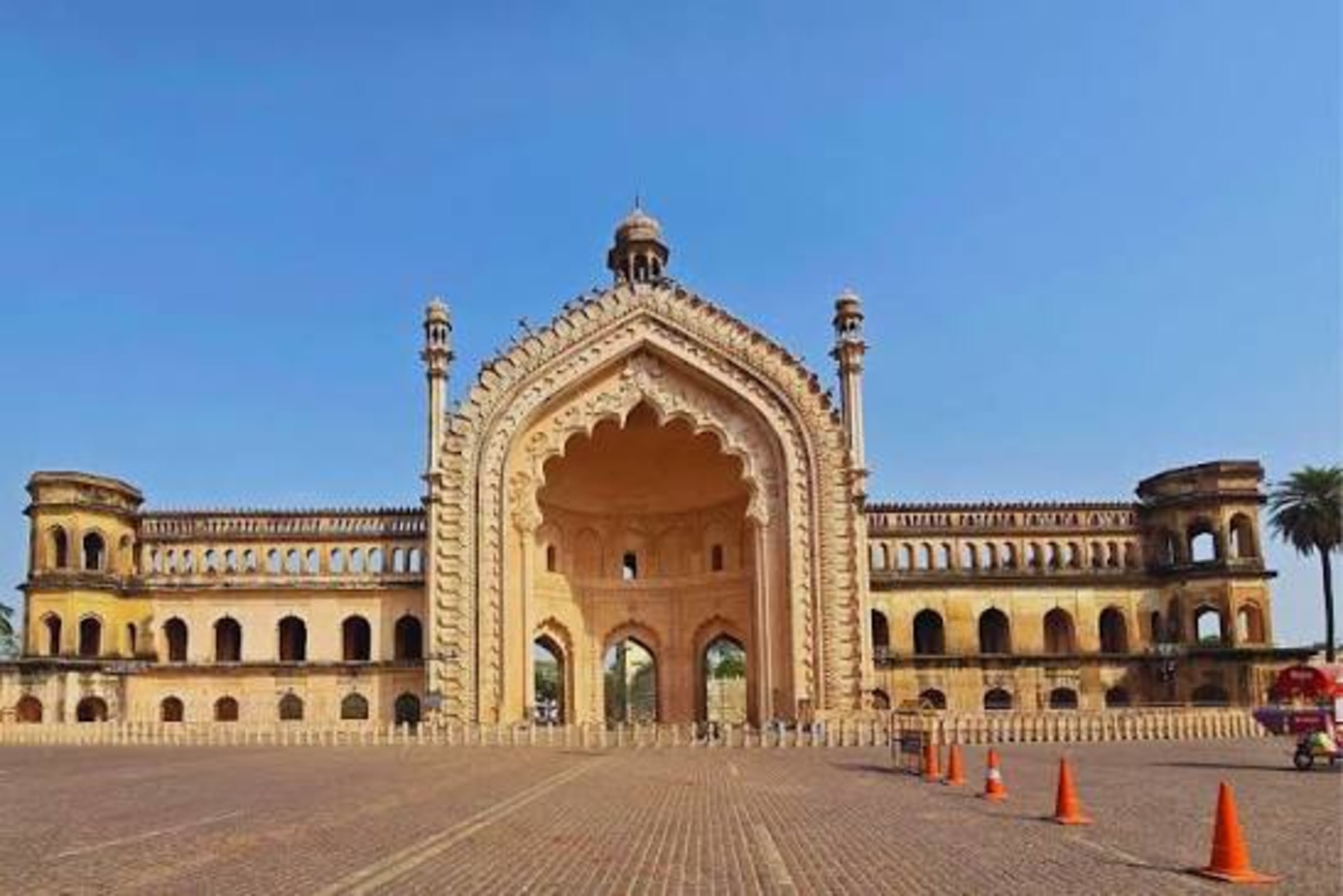
The Rumi Darwaza, also known as the Turkish Gate, was built by Asaf - ud - Daulah between 1784 and 1786. Standing approximately 60 feet tall, this impressive gateway is considered one of the finest examples of Lucknow's architectural heritage.
British Residency
The British Residency was built around 1800 as a residence for the British Resident. Today, it preserves the remains and marks of the Revolt of 1857 and serves as an important historical monument of Lucknow.
Shah Najaf Imambara
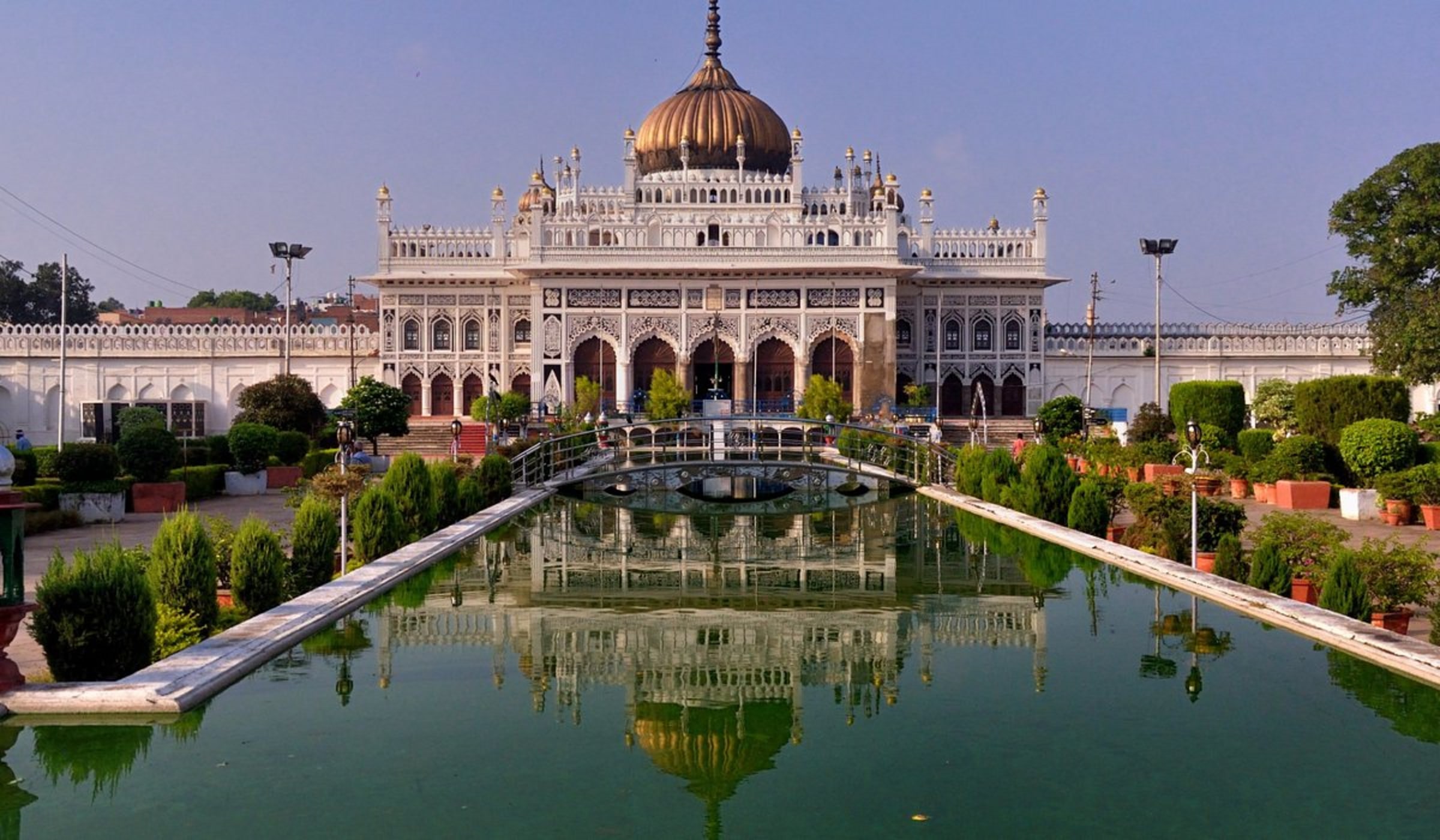
The Shah Najaf Imambara is a large structure crowned by a magnificent dome. It was built during the reign of Ghazi - ud - Din Haider and also houses his tomb along with the tombs of his three wives.
Juma Masjid
The Juma Masjid, with its two minarets and three domes, is another notable religious and architectural landmark of Lucknow.
Qaiser Bagh Palace
The Qaiser Bagh Palace was built in 1850 by Wajid Ali Shah, the last ruler of Awadh. The complex reflects the grandeur and sophistication of the Nawabi architecture of the period.
La Martiniere
La Martiniere is a prominent historic building constructed in the late 18th century by the Frenchman Claude Martin. Today, it functions as a renowned educational institution.
Culture of Lucknow
The culture of Lucknow developed around poetry, music, dance, cuisine, fashion and the arts. During the Nawabi period, the city attracted numerous poets, artists and musicians who received patronage from the royal court.
Cuisine also holds an important place in Lucknow's cultural identity. The traditional Dastarkhans of the Nawabi courts were renowned for their variety and sophistication of dishes.
Over time, this cultural refinement expanded beyond the royal palaces and became an integral part of the streets, markets and neighbourhoods of Lucknow.
Why Visit Lucknow?
A trip to Lucknow offers an opportunity to discover a city where the history of Awadh, Nawabi architecture, religious traditions, rich cuisine and artistic heritage come together to create a unique cultural experience in India.
Top Attractions in Lucknow
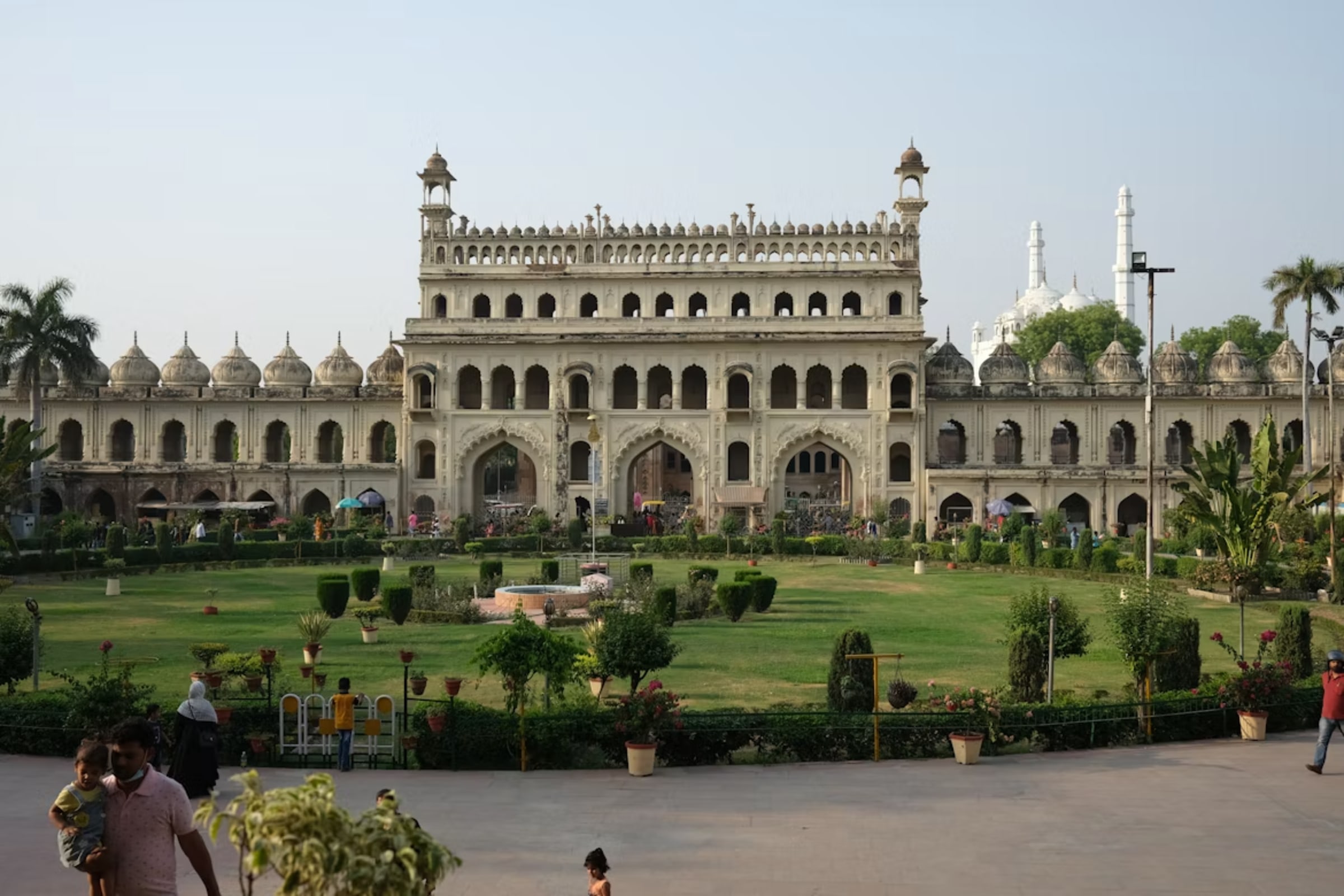
Bara Imambara
Bara Imambara, also known as Asafi Imambara, is one of Lucknow's most iconic historical monuments. Built between 1784 and 1791, the complex is famous for its grand vaulted hall, intricate architecture, and the fascinating Bhul Bhulaiya labyrinth. It represents the distinctive architectural heritage of Awadh.
Rumi Darwaza
Rumi Darwaza is a spectacular historic gateway and one of Lucknow's most recognizable architectural landmarks. Built during the Nawabi era, the massive gateway features intricate floral carvings, a tall pointed arch, and distinctive Awadhi architectural detailing.
Lucknow Residency
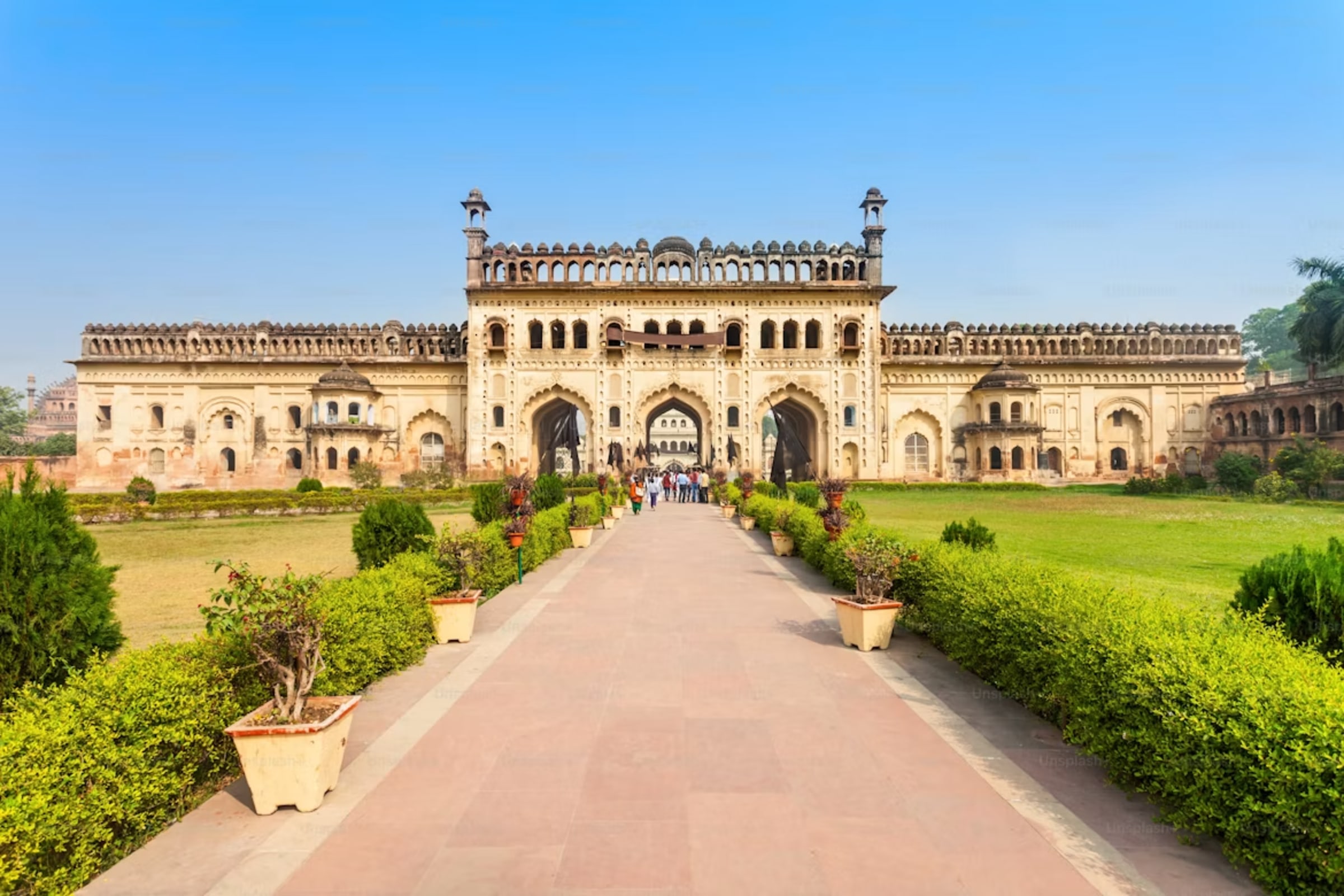
Lucknow Residency is a historic heritage complex associated with the events of the 1857 uprising. The site contains the remains of colonial - era buildings, gardens, a cemetery, and the 1857 Memorial Museum. Its ruins provide an important glimpse into Lucknow's colonial and modern history.
Dr. Babasaheb Ambedkar Memorial Park
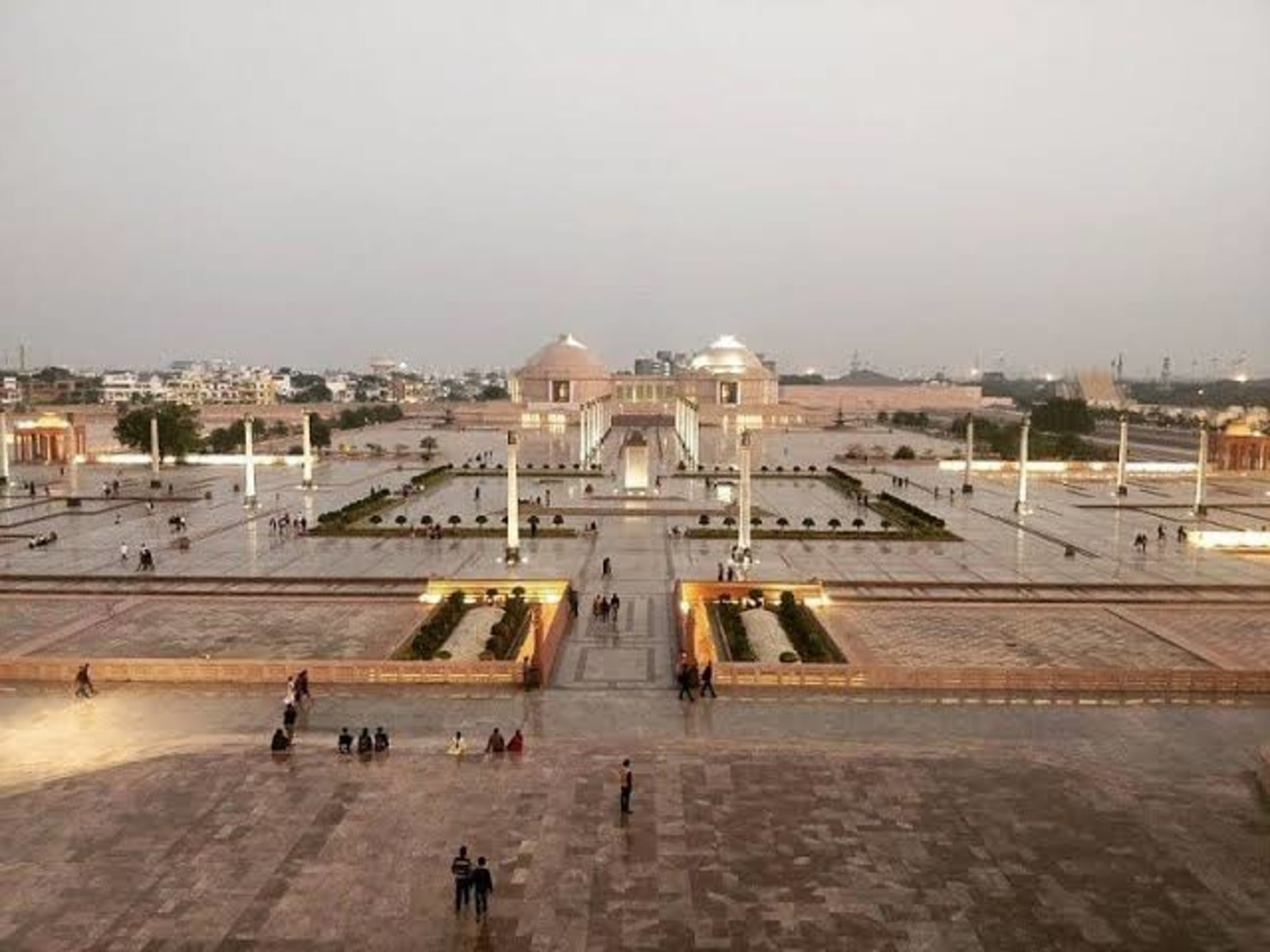
Dr. Babasaheb Ambedkar Memorial Park is a large architectural and landscaped complex in Lucknow dedicated to prominent figures associated with social reform and India's democratic history. The grand structures, open spaces, stonework, and monumental design make it a notable modern landmark of the city.
Plan Your Trip
Get a bespoke itinerary in 24 hours.
Need Help Planning Your Trip?
We specialize in tailor-made luxury itineraries tailored specifically to your budget and interests.