
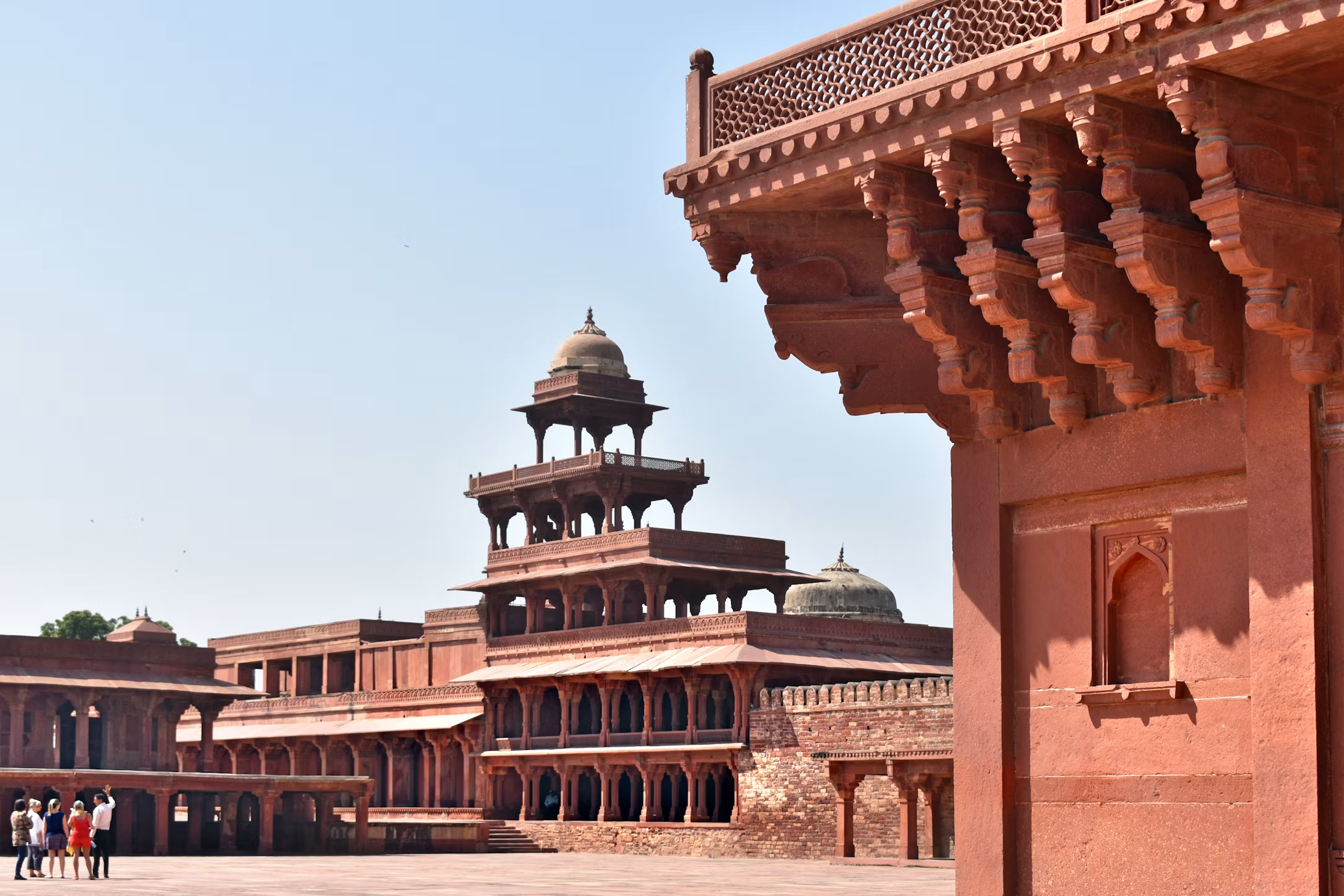
Just a short distance from Agra lies a remarkable city of red sandstone, grand gateways, royal palaces and quiet courtyards. This is Fatehpur Sikri, the historic Mughal city built under Emperor Akbar in the 16th century.
Often described in travel stories as an abandoned or “ghost city”, Fatehpur Sikri is not simply a place of mystery. It is a UNESCO World Heritage Site and one of India's most important examples of Mughal urban planning and architecture.
The Story Behind Fatehpur Sikri
Fatehpur Sikri was developed by Mughal Emperor Akbar during the 1570s. UNESCO records that the city was constructed between 1571 and 1573 and became the capital of the Mughal Empire.
The city was closely associated with Sheikh Salim Chishti, a Sufi saint whose blessing was connected with the birth of Akbar's son, Prince Salim, who later became Emperor Jahangir. Akbar subsequently developed a magnificent imperial city at the site.
A Capital Built in Red Sandstone
Fatehpur Sikri was designed as a planned imperial city with administrative buildings, royal residences, religious structures, courtyards, roads and residential areas. Its architecture combines elements of Indo-Islamic traditions with regional and Persian influences.
Much of the historic complex was constructed using red sandstone, giving the city its distinctive warm colour and monumental appearance.
Why Was Fatehpur Sikri Abandoned?
This is one of the most interesting questions surrounding the city.
Akbar moved the imperial capital from Fatehpur Sikri to Lahore in 1585. The exact reasons behind the move and the subsequent decline of the city are discussed differently in historical and popular accounts.
Water availability is often mentioned in popular explanations, while other historical interpretations point to the strategic and administrative importance of moving the imperial centre. UNESCO confirms the transfer of the capital to Lahore in 1585, but the idea of a single, definitively established reason for the abandonment should be treated with caution.
Buland Darwaza – The Grand Gateway
One of the first monuments visitors notice is Buland Darwaza, meaning “Lofty Gate”. UNESCO records that the monumental gateway was completed in 1575 and commemorated Akbar's victory in Gujarat.
Standing dramatically above the surrounding complex, Buland Darwaza is one of the most recognisable architectural features of Fatehpur Sikri.
Jama Masjid and the Tomb of Salim Chishti
Jama Masjid is one of the major religious monuments within Fatehpur Sikri. UNESCO records its completion in 1571–72.
Inside the mosque complex stands the beautiful white marble tomb of Sheikh Salim Chishti. Its delicate carved screens and elegant details create a striking contrast with the red sandstone buildings surrounding it.
Panch Mahal
Panch Mahal is one of the most distinctive structures in Fatehpur Sikri. The five-storey pavilion is made up of numerous columns and gradually reducing levels, creating an open and airy architectural composition.
The building reflects the artistic experimentation and architectural diversity that characterise the imperial complex.
Diwan-i-Khas and the Royal Complex
The royal complex contains several remarkable structures, including Diwan-i-Khas, Diwan-i-Am, Jodha Bai's Palace, Akbar's Khwabgah and other residential and administrative buildings.
Walking through these spaces gives visitors an idea of how an imperial city was organised during the Mughal period.
Why Does Fatehpur Sikri Feel Like a Ghost City?
Today, visitors walk through monumental courtyards and historic buildings where a large imperial population once lived and worked. The contrast between the scale of the architecture and the quieter atmosphere of the archaeological complex contributes to its mysterious character.
This is why travel writers sometimes use expressions such as “ghost city” or “city frozen in time”. However, Fatehpur Sikri should primarily be understood as an important abandoned historic capital and UNESCO World Heritage Site rather than a literally haunted city.
Best Things to See at Fatehpur Sikri
- Buland Darwaza
- Jama Masjid
- Tomb of Sheikh Salim Chishti
- Panch Mahal
- Diwan-i-Khas
- Diwan-i-Am
- Jodha Bai's Palace
- Akbar's Khwabgah
- Anup Talao
- Historic city walls and gateways
How to Experience Fatehpur Sikri
The best way to explore Fatehpur Sikri is to take your time rather than simply visiting the major monuments. Walk through the courtyards, observe the stone carvings and architectural details, and imagine how the planned imperial city once functioned.
Because Fatehpur Sikri is located in the Agra region, it can also be included in a wider Golden Triangle itinerary covering Delhi, Agra and Jaipur.
A Journey Through Mughal History
Fatehpur Sikri is much more than a mysterious abandoned city. Its palaces, mosques, gateways, courtyards and residential buildings tell the story of Mughal architecture, urban planning and imperial life in 16th-century India.
For travellers who enjoy history, architecture and unusual heritage destinations, Fatehpur Sikri offers an experience where the grandeur of the past can still be felt among the quiet red sandstone ruins.
Plan Your Visit
Before visiting, check current monument timings, ticket information, local regulations and travel conditions through official tourism or monument authorities. Carry water, wear comfortable footwear and allow enough time to explore the historic complex.
Fatehpur Sikri may have lost its position as an imperial capital centuries ago, but its architecture continues to preserve an extraordinary chapter of India's Mughal history.
Plan This Journey
Let our Jaipur travel concierges design your bespoke itinerary.
MHIndiaTrips Editor
Senior Travel Specialist & StorytellerTravel specialist with over 8 years of experience crafting luxury travel narratives for discerning global travelers.